Full nutrition details in the recipe card below ↓

Every recipe on FoodNearMe is tested to be anti-inflammatory, satisfying, and actually delicious — real food, real results, no shortcuts.
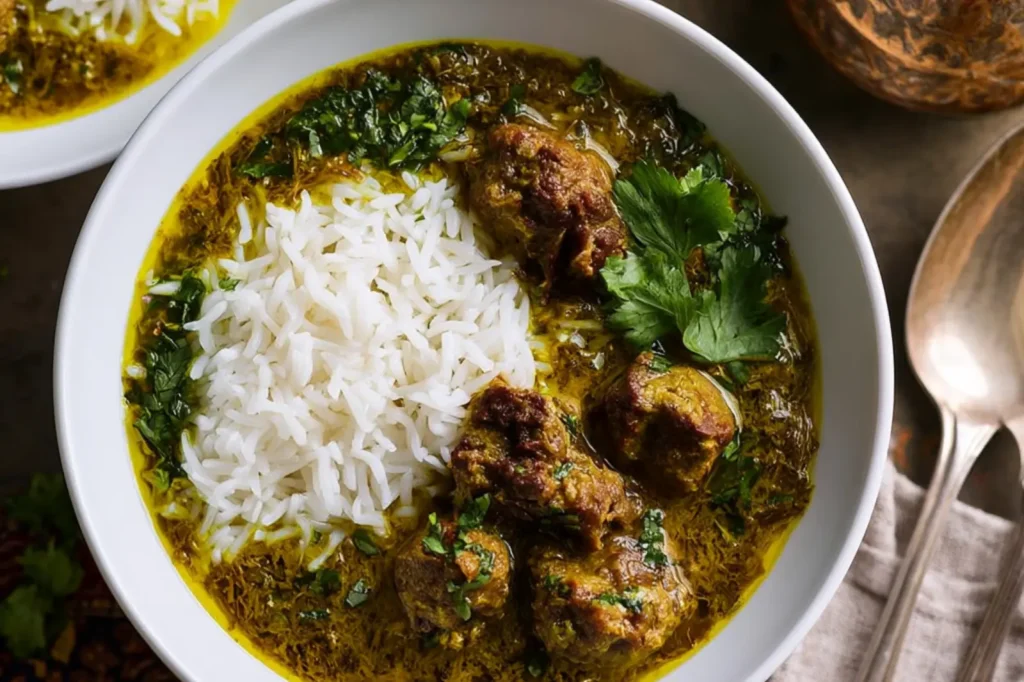
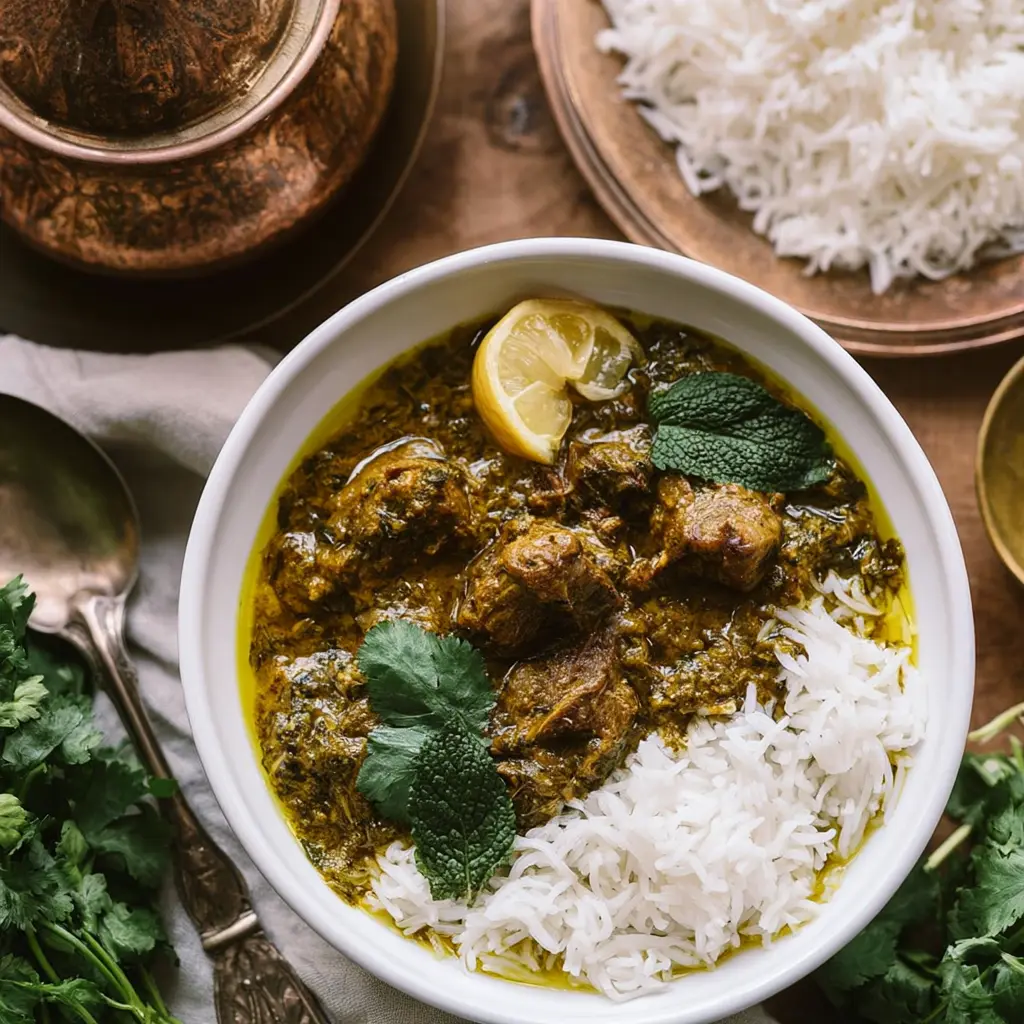
More about Joe →There’s something about a bowl of Anti-Inflammatory Persian Herb Stew that stops you mid-bite. The color alone that deep, herbaceous green with golden turmeric running through it looks like something from a restaurant kitchen, not a Tuesday night at home.
Last fall, when the evenings started cooling down and I was deep in decision fatigue after a long shoot day, this was the dish I kept coming back to. It’s hearty enough to feel like real comfort, but the fresh herbs keep it from feeling heavy that sweet spot between summer and fall on a plate. The trick I’ve landed on after testing it more times than I can count: don’t rush the herbs. Let them cook low and slow so the flavors go from bright and grassy to something deeper, almost silky.
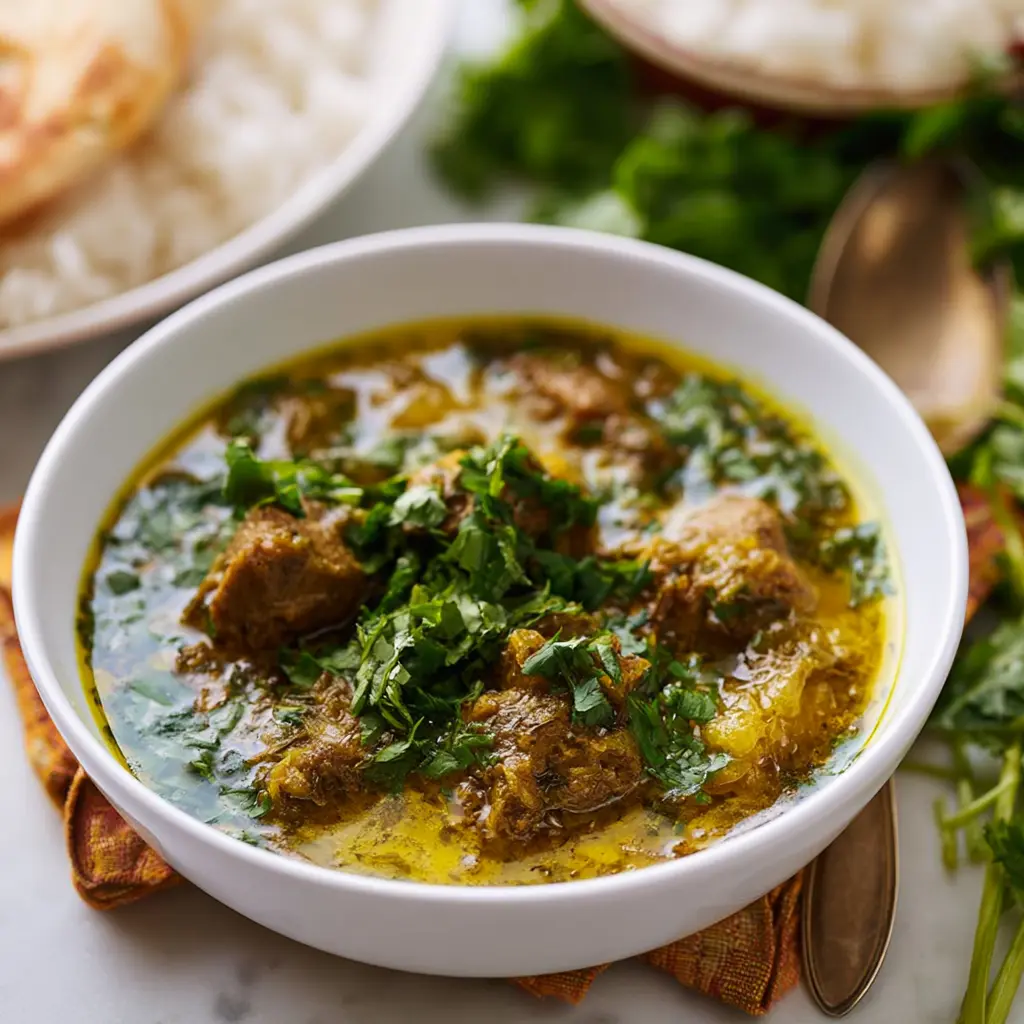
Anti-Inflammatory Persian Herb Stew Warm and Satisfying Real Comfort
Ingredients
Why You’ll Love This Persian Herb Stew
Here’s why this one keeps showing up on repeat: it looks like something that took serious skill, but the technique is almost entirely hands-off. The turmeric turns the broth a gorgeous, warm gold while the fresh herbs bring enough color contrast that the finished bowl practically photographs itself.
On those evenings when decision fatigue has fully set in, this is the pot to reach for low effort, one vessel, and it still feels like a real dinner. That shift from summer lightness into cozy fall comfort is exactly what this dish delivers.
What You Need to Know About the Ingredients
Every ingredient in this recipe is pulling real weight. The turmeric does more than color the broth it layers into the fat from the olive oil early in the cook and becomes the backbone of the entire dish.
- Lamb: Leg meat cut into stew chunks is the move here it breaks down beautifully over three hours and stays tender rather than stringy.
- Onions: Minced fine so they melt completely into the base, not chunky in every bite.
- Tomato paste: Added late, not early this keeps the acidity bright rather than cooked out.
- Fresh parsley or cilantro: Used as a finishing garnish, which protects their color and keeps that herbaceous lift alive at the end.
- Basmati rice: Steamed separately and served underneath it soaks up the sauce in the best possible way.
How to Make It
The method here is slow and intentional. Rushing either the sear or the simmer will cost you flavor, so commit to the timeline.
- Mix turmeric, black pepper, salt, and crushed red pepper flakes together in a small dish and set aside.
- Heat olive oil in a large pot or dutch oven over medium-high. Add minced onions and sauté for 10 minutes until softened and turning golden.
- Add lamb chunks and brown a few minutes per side. Drain off any excess fat that collects at the bottom.
- Sprinkle the spice mix evenly over the browned meat.
- Add 4 cups of water, bring to a slow boil, then reduce to medium-low. Simmer for two hours, skimming fat from the surface every 30 minutes.
- Stir in tomato paste until fully dissolved into the broth. Simmer uncovered for another 20 minutes until the sauce thickens and the meat is tender.
- Taste, adjust seasoning, garnish with fresh parsley or cilantro, and serve over steamed basmati rice.
Pro Tip: That fat-skimming step every 30 minutes is worth the effort it keeps the broth clean and lets the turmeric color stay vivid rather than cloudy.
Can You Make Persian Herb Stew Ahead of Time?
Yes, and honestly it’s better that way. The lamb absorbs more of the spiced broth as it sits, and the sauce tightens up nicely overnight in the fridge.
- Store cooled stew in an airtight container for up to 4 days in the refrigerator.
- Freeze in portions for up to 2 months thaw overnight in the fridge before reheating.
- Reheat low and slow on the stovetop with a small splash of water to loosen the sauce.
- Keep the rice stored separately to avoid it absorbing too much liquid.
Simple Swaps That Still Work
The recipe is forgiving if you need to adjust for what’s available or what your household tolerates.
- Swap lamb for beef chuck if that’s what’s on hand the cook time stays the same.
- Skip the crushed red pepper flakes entirely if cooking for spice-sensitive guests.
- Use cilantro, parsley, or a mix of both either works well visually and flavor-wise.
- Reduce salt during cooking and adjust at the end if anyone at the table is salt-sensitive.
FAQs ( Anti-Inflammatory Persian Herb Stew )
What is ghormeh sabzi made of?
This recipe builds its base from lamb, onion, turmeric, tomato paste, and fresh parsley or cilantro, slowly simmered until tender.
What herbs go in Persian herb stew?
This dish uses fresh parsley or cilantro, added at the end as a garnish to keep the flavor bright.
Can I make ghormeh sabzi without dried limes?
This recipe does not call for dried limes – the depth of flavor comes from slow cooking with turmeric, tomato paste, and red pepper flakes.
How long does ghormeh sabzi take to cook?
This meal takes about 3 hours of cook time plus 20 minutes of prep, with the lamb simmered low and slow until fall-apart tender.
Is Persian herb stew gluten-free?
All ingredients in this recipe – lamb, olive oil, spices, tomato paste, and herbs – are naturally gluten-free; always verify your individual labels.
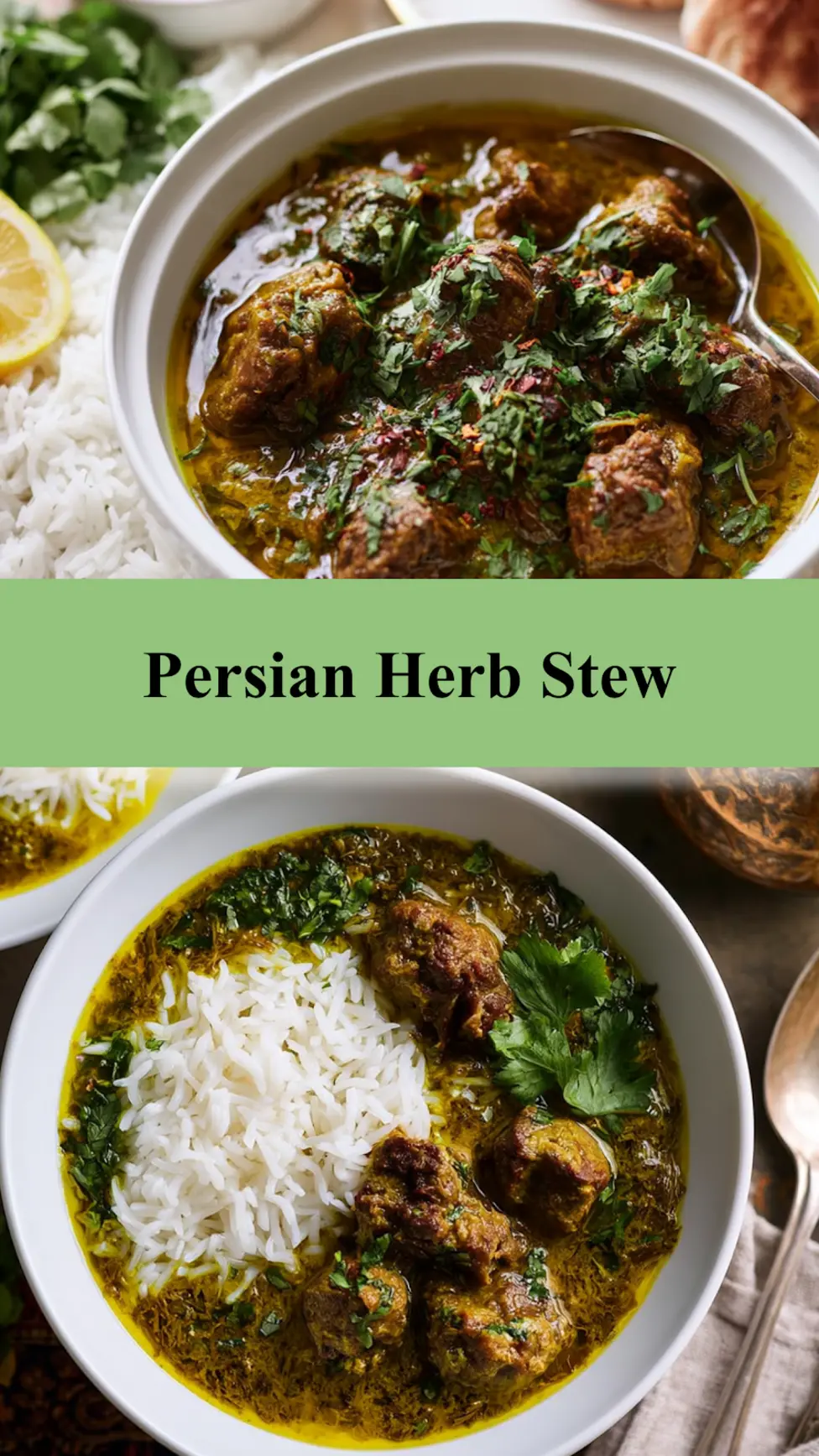
This Persian Herb Stew is the kind of pot that makes your whole kitchen smell like something special is happening because it is. Three hours of low, slow simmering turns humble lamb chunks into something genuinely tender, and that turmeric-gold broth is beautiful enough that you’ll want to linger at the table a little longer.
A couple of things worth remembering: that late tomato paste addition is a small move that makes a real difference it keeps the acidity bright instead of flat. And skimming the fat every 30 minutes? Don’t skip it. That’s what keeps the broth vivid and clean rather than muddy. If lamb isn’t your thing, beef chuck swaps in seamlessly without changing a single step. Make it Sunday, eat it better on Monday the sauce only gets richer overnight.
If you make this, it’d be lovely to see how your bowl turns out drop a photo in the comments or tag us so we can admire that green-and-gold color contrast. Did you grow up eating anything like this? There’s something about a slow-cooked stew that always carries a little family history with it. Save this one for someone you love, share it with a neighbor, or keep it close for the evenings when dinner needs to feel like home.