Every recipe on FoodNearMe is tested to be anti-inflammatory, satisfying, and actually delicious — real food, real results, no shortcuts.
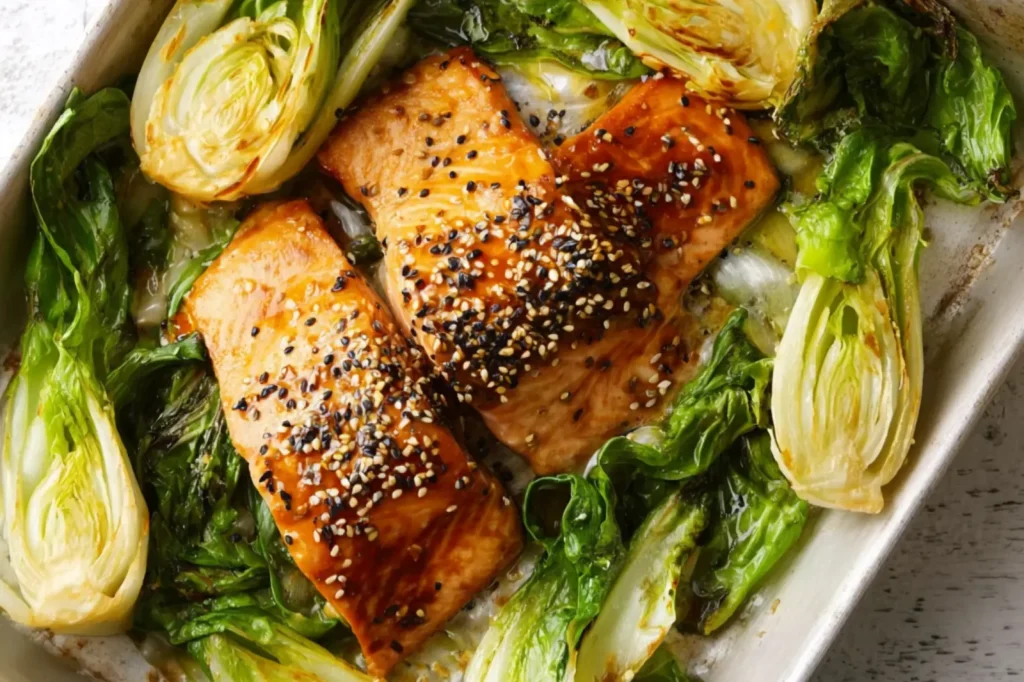
More about Joe →That savory-sweet glaze hitting a hot pan, the smell of miso and garlic filling the kitchen yeah, dinner just got interesting. Miso Salmon Bok Choy Bowl is that perfect middle ground: rich, warming, and surprisingly quick to pull together on a weeknight.
Fall started creeping in last September, and I remember standing in my kitchen after a long Tuesday, completely done with decision fatigue but still wanting something that felt like a real meal not heavy, just satisfying. That’s when I started testing this glaze ratio obsessively, adjusting the white miso to rice vinegar balance until the salmon caramelized just right without turning bitter. It’s the kind of dinner that resets the whole evening warm enough for cooler nights, light enough that you don’t feel weighed down after. After eight years sourcing ingredients at Texas farmers markets, I can tell you bok choy at this stage of the season is at its crispest don’t skip it.
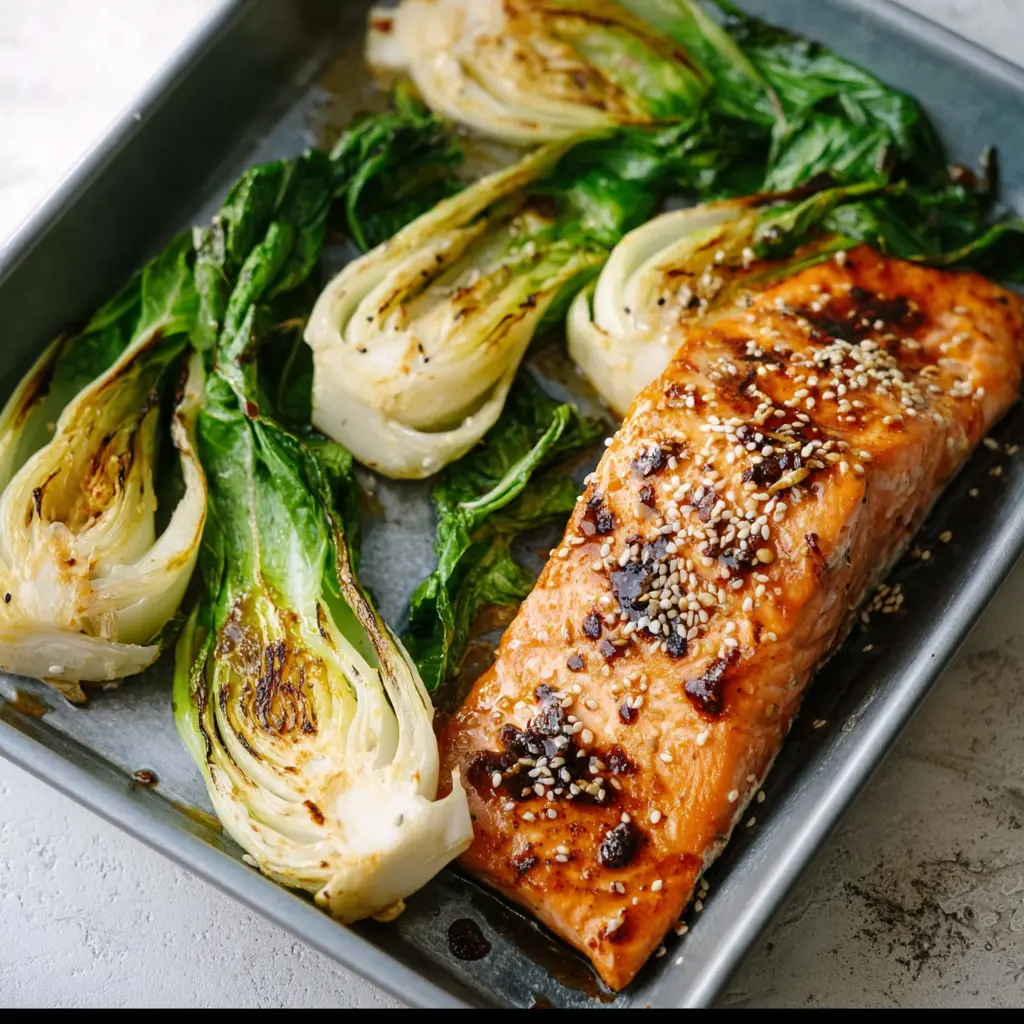
Miso Salmon Bok Choy Bowl Warm Satisfying Recipe Your New Favorite
Ingredients
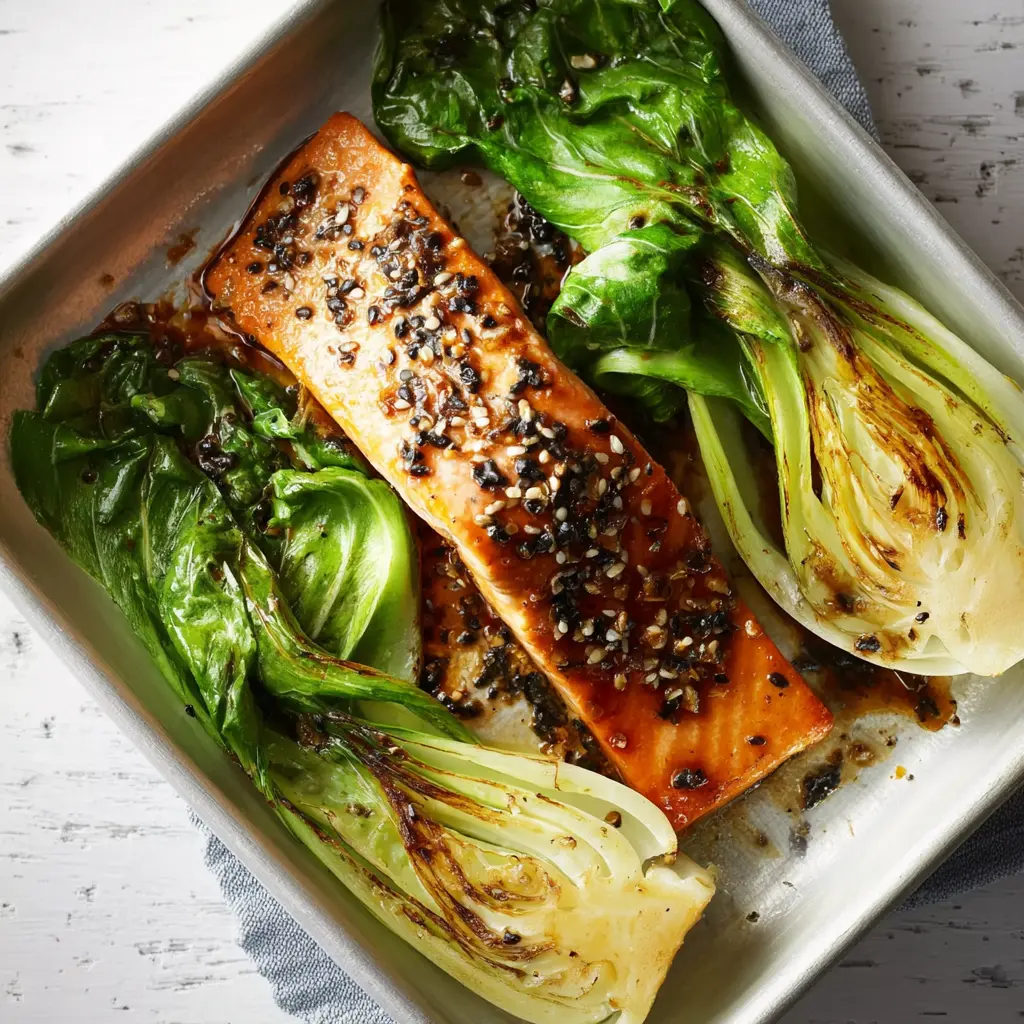
Why You’ll Love This Miso Salmon Bok Choy Bowl
Here’s the honest truth: this is the kind of dinner that feels like you put in way more effort than you actually did. One pan, a handful of real ingredients, and about 25 minutes that’s it. On those Tuesday evenings when decision fatigue has fully set in, this is the recipe that keeps earning its place in the rotation. It’s warm and satisfying without sitting heavy.
- Everything roasts on a single sheet pan minimal cleanup, maximum flavor
- The glaze does all the heavy lifting: savory, slightly sweet, deeply umami
- Crisp bok choy and tender flaked salmon make every bite feel balanced
- Naturally gluten-free when you use tamari instead of soy sauce
What Goes Into the Glaze
The magic of this dish lives in the marinade. Red miso paste brings a deep, fermented umami base richer and more robust than white miso, which is exactly what salmon can handle without getting lost. Honey and rice vinegar pull it into sweet-tangy territory, while sesame oil adds that nutty warmth you can smell from across the kitchen.
- Red miso paste the backbone; find it in the refrigerated Asian foods section at most major grocery stores
- Tamari keeps it gluten-free; regular soy sauce works too if that’s what you have
- Coconut oil helps the glaze caramelize evenly in a hot oven
- Rice vinegar balances the saltiness without overpowering
Note: The balance of miso to rice vinegar is what keeps the salmon from tasting too salty don’t skip the vinegar.
How to Make It
The process is straightforward, and the 30-minute marinating window is mostly hands-off time perfect for getting a few things done before dinner.
- Place salmon in a shallow dish. Mix miso paste, coconut oil, sesame oil, tamari, honey, and rice vinegar together in a small bowl.
- Spread half the marinade over the salmon. Reserve the other half. Refrigerate for 30 minutes to 1 hour.
- Preheat oven to 425 degrees. Line a large sheet pan with parchment paper or foil.
- Place salmon in the center of the pan, then arrange baby bok choy halves cut-side up around it.
- Drizzle the reserved marinade over the bok choy. Bake 15 to 20 minutes until salmon is cooked through.
- Finish with sesame seeds and serve immediately.
Pro Tip: Sara recommends cutting the bok choy lengthwise so the flat side gets direct heat it gives you that slightly caramelized edge that makes all the difference.
Can You Make This Miso Salmon Bok Choy Bowl Ahead of Time?
You can absolutely prep the marinade and coat the salmon up to a day in advance just keep it covered in the fridge until you’re ready to bake. The bok choy is best roasted fresh, but leftover salmon stores well and works great flaked over rice the next day.
- Store leftovers in an airtight container for up to 2 days
- Reheat gently in a low oven or covered skillet to avoid drying out the salmon
- Bok choy softens overnight best eaten the day it’s made
Easy Swaps Worth Knowing
This recipe is flexible in the best way. A few simple swaps let you work with what’s already in your kitchen without losing any of the depth that makes this dish worth repeating.
- No red miso? White miso works the flavor will be milder and slightly sweeter
- Coconut oil can be swapped for avocado oil at the same quantity
- Honey can be replaced with maple syrup for a slightly different sweetness
- Baby bok choy can be substituted with halved heads of regular bok choy just add a few extra minutes of roasting time
FAQs ( Miso Salmon Bok Choy Bowl )
What type of miso paste is best for salmon?
This recipe uses red miso paste, which delivers a deeper, saltier flavor that pairs well with salmon. Red miso gives the glaze a bold, savory punch without overpowering the fish.
Can I substitute bok choy with another vegetable?
Yes – any quick-roasting vegetable that fits on a sheet pan works well here. Broccoli florets or halved baby zucchini are solid swaps that cook in a similar timeframe.
How long do I marinate salmon in miso?
Marinate the salmon in the fridge for at least 30 minutes or up to 1 hour. Longer than that risks the miso breaking down the texture of the fish.
Is miso salmon anti-inflammatory?
This sheet pan meal combines salmon, a known source of omega-3 fatty acids, with sesame oil and bok choy – all ingredients commonly associated with anti-inflammatory eating patterns.
What rice or grain goes with miso salmon bok choy bowl?
Steamed jasmine rice or brown rice are the most popular bases for this dish. Quinoa or cauliflower rice also work well if you prefer a lighter, lower-carb option.
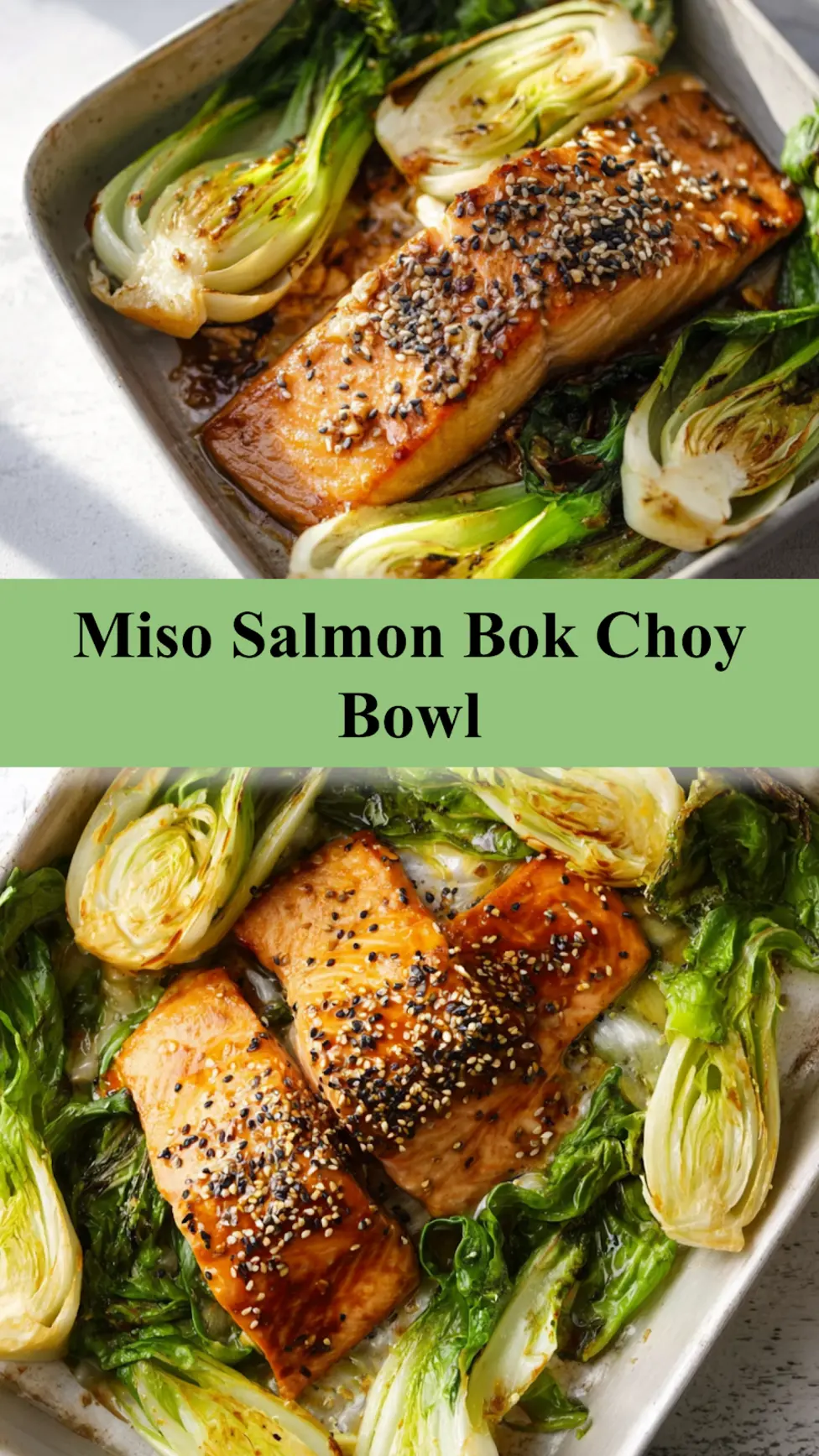
This Miso Salmon Bok Choy Bowl comes together in about 30 minutes, and that red miso glaze caramelizes just enough to make the whole kitchen smell incredible warm, nutty, and deeply savory in the best way.
If you can’t find red miso at your regular store, grab white miso from the refrigerated Asian foods section it’s milder, but still delicious. And don’t skip slicing the bok choy lengthwise before roasting that flat side getting direct heat is what gives you those slightly caramelized edges that make the whole dish. Leftovers reheat beautifully in a low oven, and the flaked salmon over rice the next day is honestly worth looking forward to.
If you make this one, I’d love to know how it turned out drop a comment below or tag a photo. Did you swap the honey for maple syrup, or try it with white miso? Tell me everything. And if you know someone who needs a reliable weeknight win, this one’s worth sharing.