Every recipe on FoodNearMe is tested to be anti-inflammatory, satisfying, and actually delicious — real food, real results, no shortcuts.
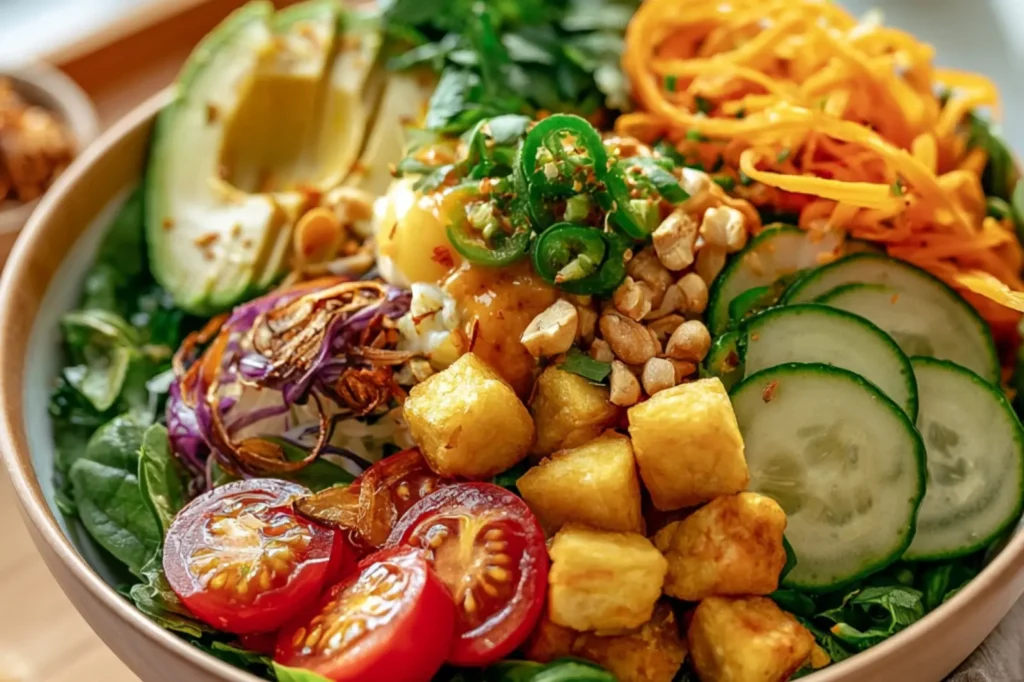
More about Joe →Crispy vegetables, jammy eggs, and a rich turmeric peanut sauce poured over everything the Anti-Inflammatory Gado Gado Bowl is one of those dinners that looks fancy but comes together faster than you’d expect.
I first made this back in early fall when the farmers market was still packed with late-summer produce green beans, cabbage, radishes and I needed something that felt grounding but not heavy. Honestly, it’s become my go-to when decision fatigue hits hard and I still want a real dinner on the table. After testing this bowl a dozen different ways, the trick is toasting the peanut sauce low and slow just two minutes in the pan so the turmeric blooms and that nutty depth really opens up.
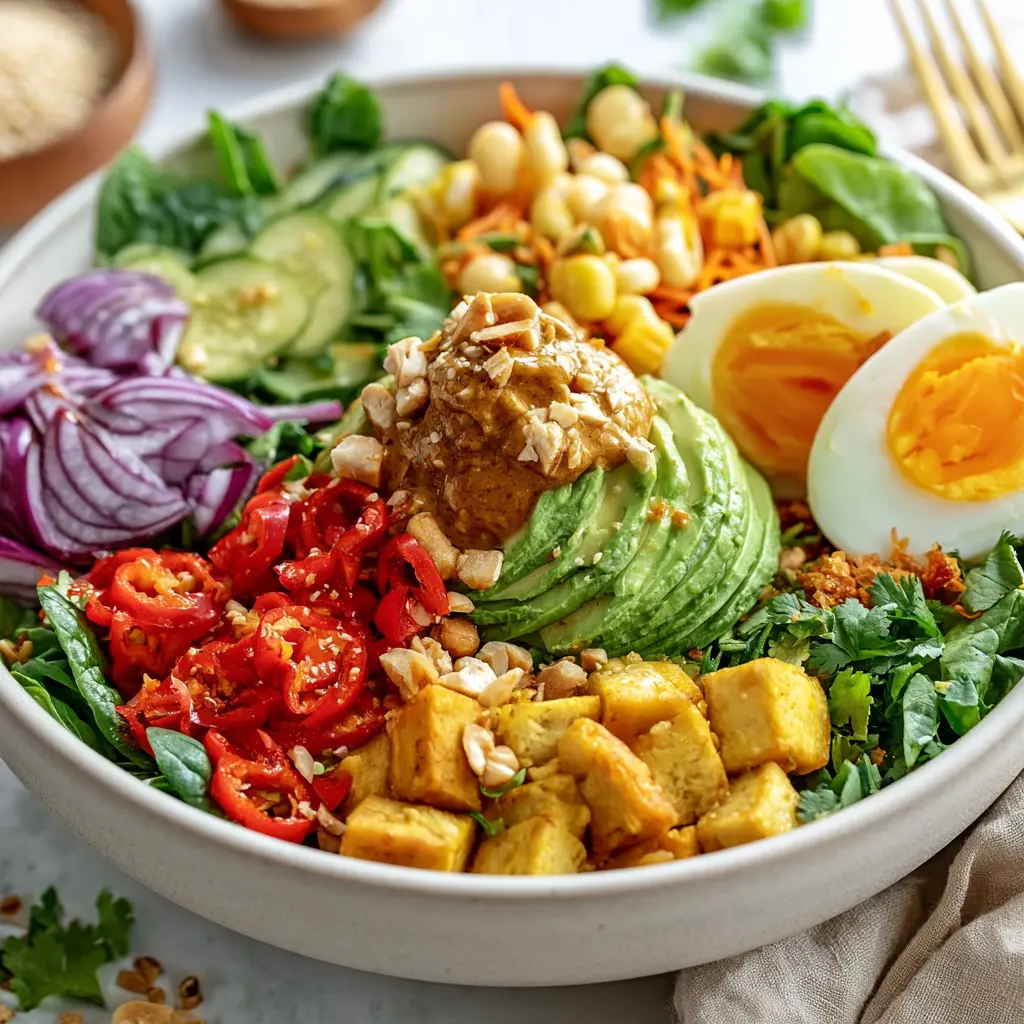
Anti-Inflammatory Gado Gado Bowl Vibrant Fresh Way to Make Real Wellness Satisfying
Ingredients
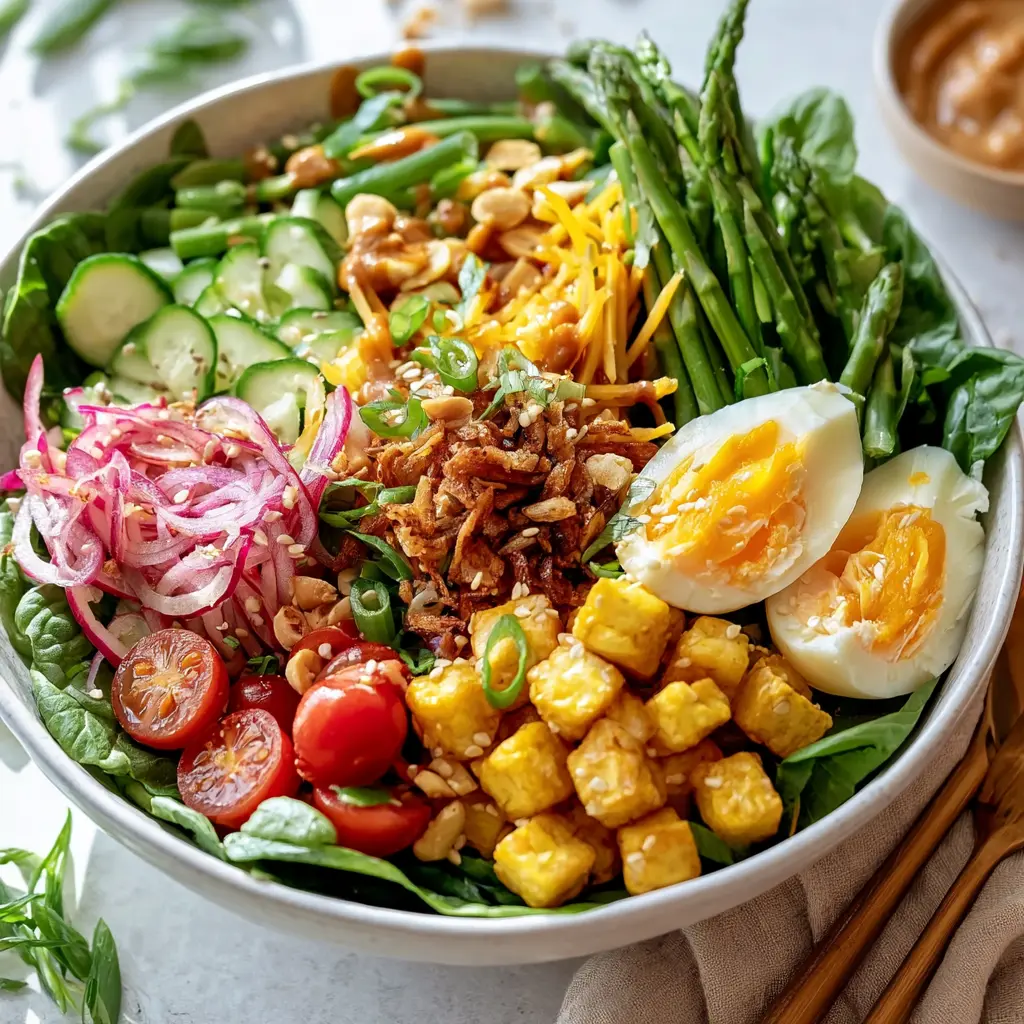
Why You’ll Love This Bowl
This is the kind of dinner that feels like a full reset without asking much of you. On those evenings when the day ran long and you still want something that actually tastes like a meal, this anti-inflammatory gado gado bowl is the answer colorful, filling, and genuinely satisfying without feeling heavy.
It comes together in about 50 minutes, and most of that time is hands-off. The peanut sauce alone is worth making on repeat.
Key Ingredients and What They Do
Every component in this bowl earns its place. Here is what to know before you start:
- Crunchy peanut butter forms the base of the dressing it adds body, protein, and that nutty richness the sauce is known for.
- Tamarind paste brings a sharp, tangy depth that balances the sweetness from brown sugar and maple syrup.
- Thai red curry paste adds a warm, subtle heat and complexity without overpowering the other flavors.
- Tempeh and firm tofu are your protein workhorses pan-fried until golden and finished with maple syrup for light caramelization.
- Fish sauce and dark soy sauce layer in umami that keeps the dressing from tasting one-dimensional.
Note: Tamarind paste can be found in the international aisle at most major grocery stores look near the Thai or Indian ingredients.
How to Make It
The process moves in three parallel tracks: cook the vegetables, crisp the protein, and blend the dressing. Keeping them going at the same time cuts your total time significantly.
- Roast peanuts at 160°C for 15–20 minutes if starting raw. Let them cool completely before using.
- Boil baby potatoes in salted water until tender. Add eggs to the same pot and cook 7 minutes, then cool under cold water before peeling.
- Slice tempeh and firm tofu into bite-sized pieces. Pan-fry in vegetable oil with sea salt until golden, then add minced garlic and finish with maple syrup.
- Blanch beansprouts and green beans for 2 minutes each. Steam spinach for 30 seconds and press out excess moisture.
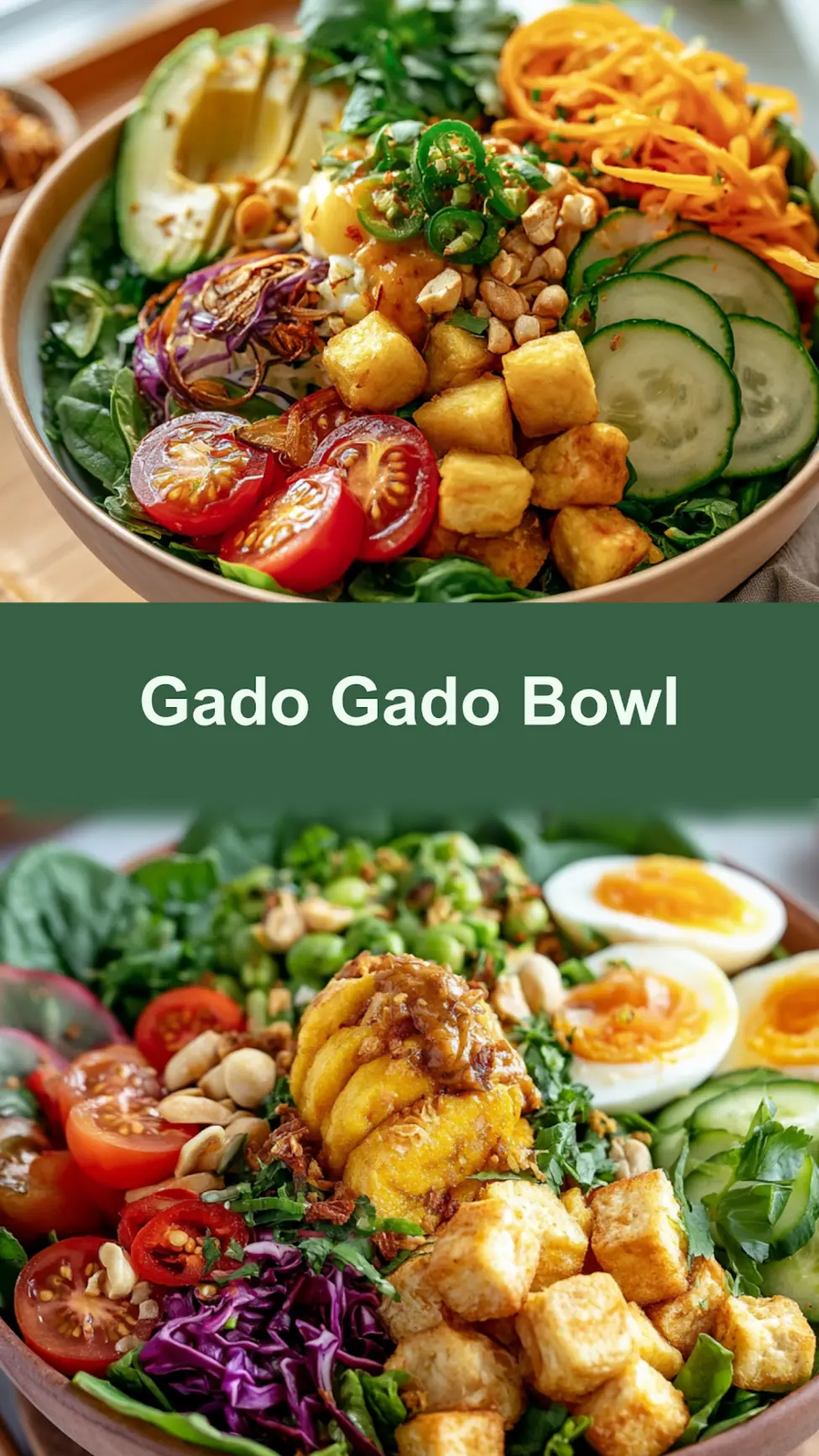
- Arrange iceberg lettuce as your base, then layer on potatoes, eggs, beansprouts, green beans, spinach, tofu, tempeh, cucumber, cherry tomatoes, and sweetcorn.
- Whisk all dressing ingredients together, adjusting water to reach a pourable consistency. Drizzle over the bowl and top with roasted peanuts, fried shallots, and prawn crackers. Serve with lime wedges.
Pro Tip: After years of testing this sauce, Yesica found that mixing the dressing last right before serving keeps the lime bright and the garlic from going bitter.
Can You Make This Gado Gado Bowl Ahead of Time?
Yes, and it holds up well. Here is how to prep it without losing texture:
- Cook potatoes and eggs up to 2 days ahead store them separately in the fridge.
- Pan-fry tofu and tempeh ahead and reheat in a dry skillet before serving to restore crispness.
- Blanched green beans, beansprouts, and spinach keep well for 1 day press out any extra moisture before storing.
- The peanut dressing stays fresh in a sealed jar for up to 5 days stir in a splash of water to loosen it before use.
Keep prawn crackers and fried shallots separate until the moment you serve they lose their crunch quickly once exposed to moisture.
Simple Swaps That Still Work
The beauty of this bowl is how flexible it is with what you have on hand.
- No tamarind paste use an extra squeeze of lime juice with a small pinch of brown sugar.
- Skip the fish sauce to make it fully vegetarian a little extra dark soy sauce fills that gap.
- Sweetcorn can be swapped for whatever vegetable needs using up the bowl handles substitutions well.
- Prawn crackers are optional but add a satisfying crunch rice crackers work as a simple substitute.
FAQs ( Anti-Inflammatory Gado Gado Bowl )
What is gado gado and where does it come from?
Gado gado is a traditional Indonesian dish of mixed vegetables topped with a rich peanut dressing. This Anti-Inflammatory Gado Gado Bowl builds on that classic with crispy tofu, tempeh, and fresh produce.
What is the peanut sauce in gado gado made of?
The dressing in this recipe uses crunchy peanut butter, tamarind paste, brown sugar, dark soy sauce, lime juice, garlic, fish sauce, Thai red curry paste, and water.
Can I substitute tempeh with chicken in gado gado?
Yes, chicken can replace tempeh in this dish. Pan-fry it with oil, salt, minced garlic, and a touch of maple syrup the same way the recipe handles tofu and tempeh.
What vegetables go in a gado gado bowl?
This meal includes baby potatoes, beansprouts, green beans, spinach, iceberg lettuce, cucumber, cherry tomatoes, and sweetcorn for a colorful, nutrient-packed plate.
Is gado gado gluten-free?
This recipe is not strictly gluten-free as written, since dark soy sauce typically contains wheat. Swap it for a certified gluten-free tamari to make this dish suitable for a gluten-free diet.
This Bowl Is Worth Making Tonight
The Anti-Inflammatory Gado Gado Bowl pulls together in about 50 minutes crispy tofu, jammy eggs, blanched vegetables, and that peanut sauce that honestly makes everything taste better. You’ll love how it comes together: layered, colorful, and surprisingly filling without that heavy, weighed-down feeling. It’s the kind of dinner that looks like you really tried, even when the day had other plans for you.
A couple of things worth remembering before you dive in: mix the peanut dressing right before serving so the lime stays bright and the garlic doesn’t turn bitter that one small move makes a real difference. If you can’t find tamarind paste at your usual store, check the international aisle near the Thai or Indian ingredients, but a squeeze of lime with a pinch of brown sugar works beautifully in a pinch. The dressing keeps for up to 5 days in the fridge, so make a double batch and thank yourself midweek when you just need something good, fast.
If you make this bowl, we’d love to see how it comes together on your table drop a photo in the comments or tag us so we can cheer you on. Did you grow up eating anything similar, or is this your first time trying gado gado? Either way, this is one worth sharing with someone you love. Here’s to dinners that help you get back into a rhythm.