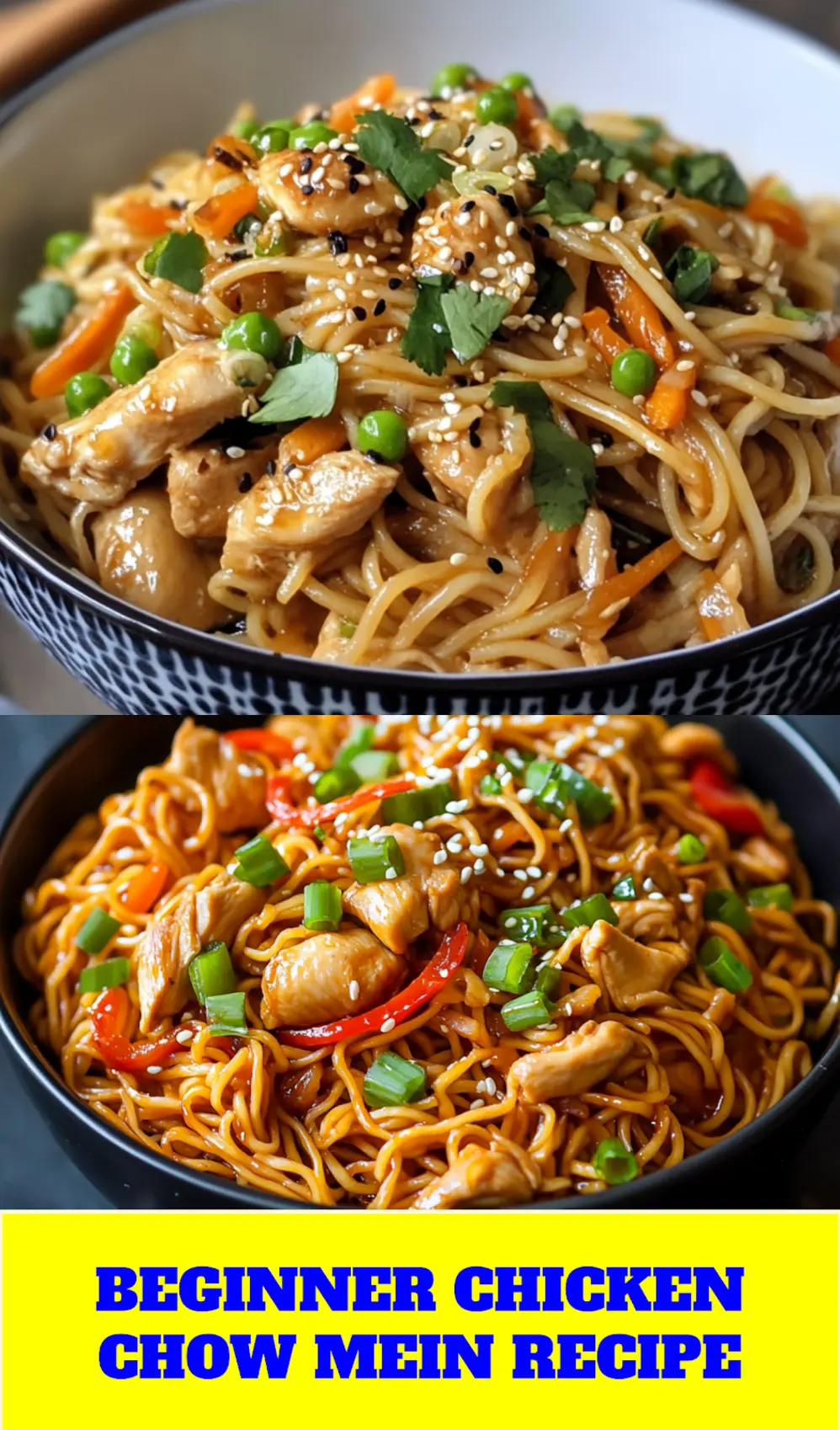
There’s something about stir-fried noodles tossed with tender chicken and crisp vegetables that just hits differently on a busy weeknight. Chicken Chow Mein is one of those dishes that tastes like takeout but comes together in your own kitchen faster than the delivery guy could get to your door.
I started making this back in 2019 when I realized how simple the technique really was: high heat, quick toss, and a sauce that clings to every noodle. My grandmother used to say the wok should “breathe fire” and she wasn’t wrong. After testing this more than a dozen times in our kitchen, I can promise you’ll nail the balance of savory, slightly sweet, and perfectly charred.
Joe Rooney
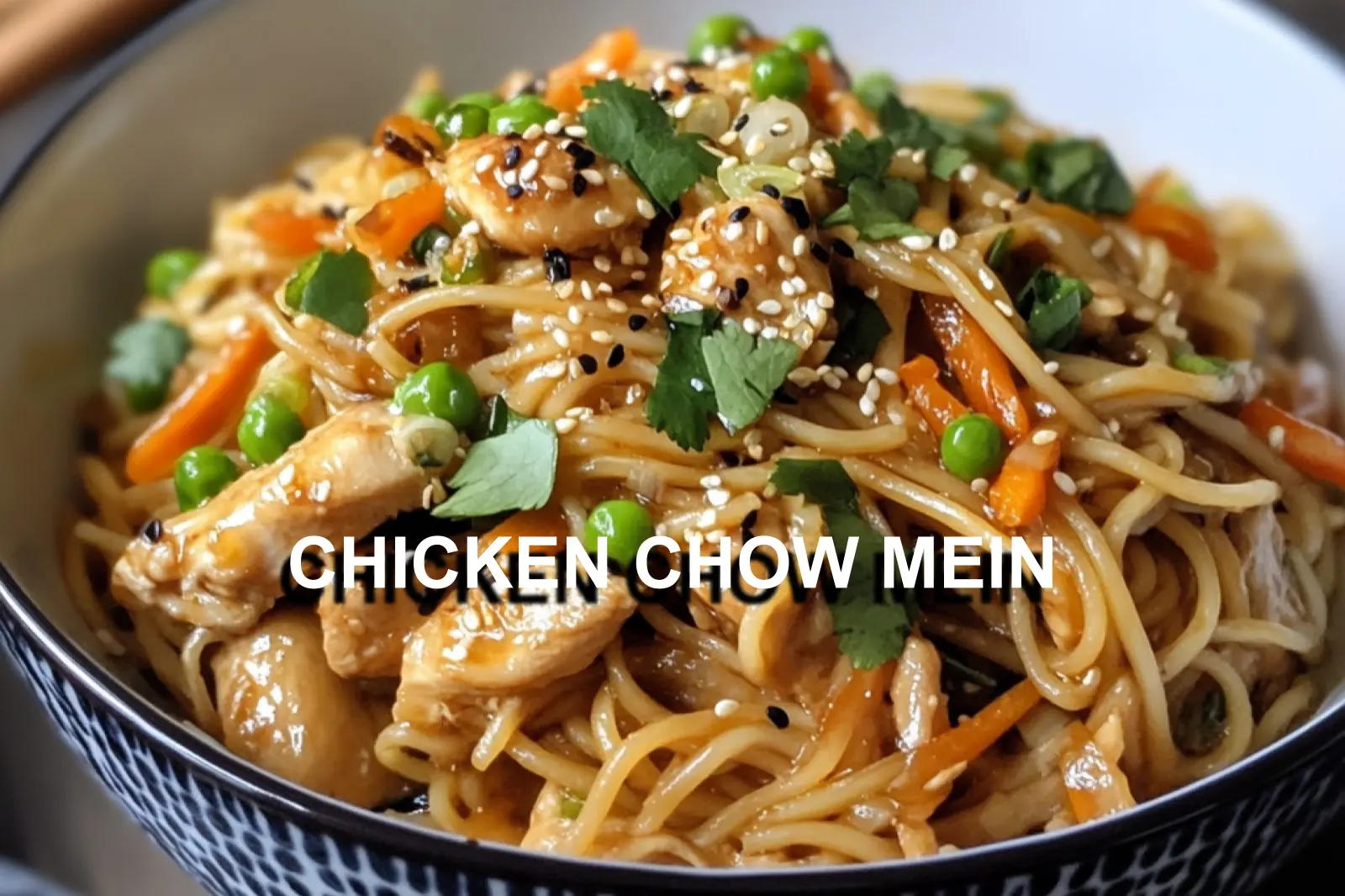
Chicken Chow Mein Recipe Easy Homemade and Delicious
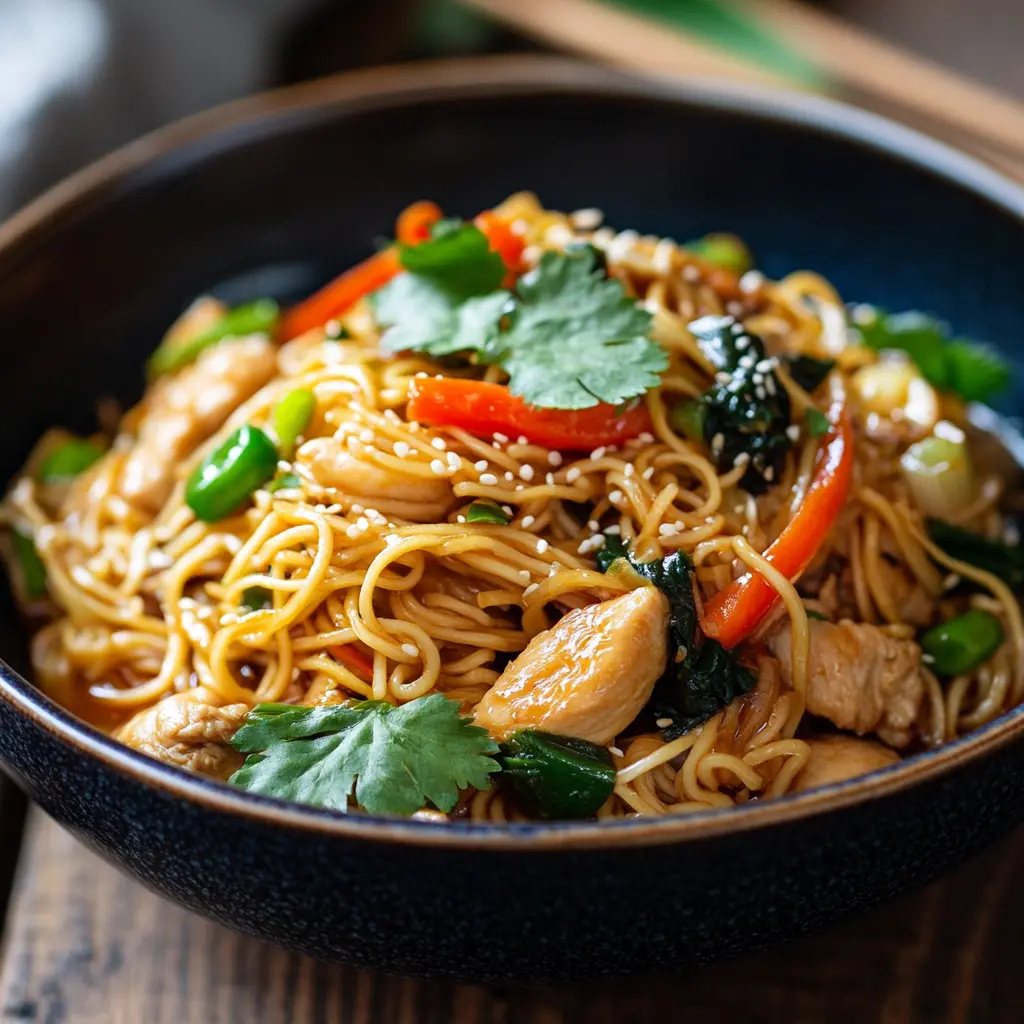
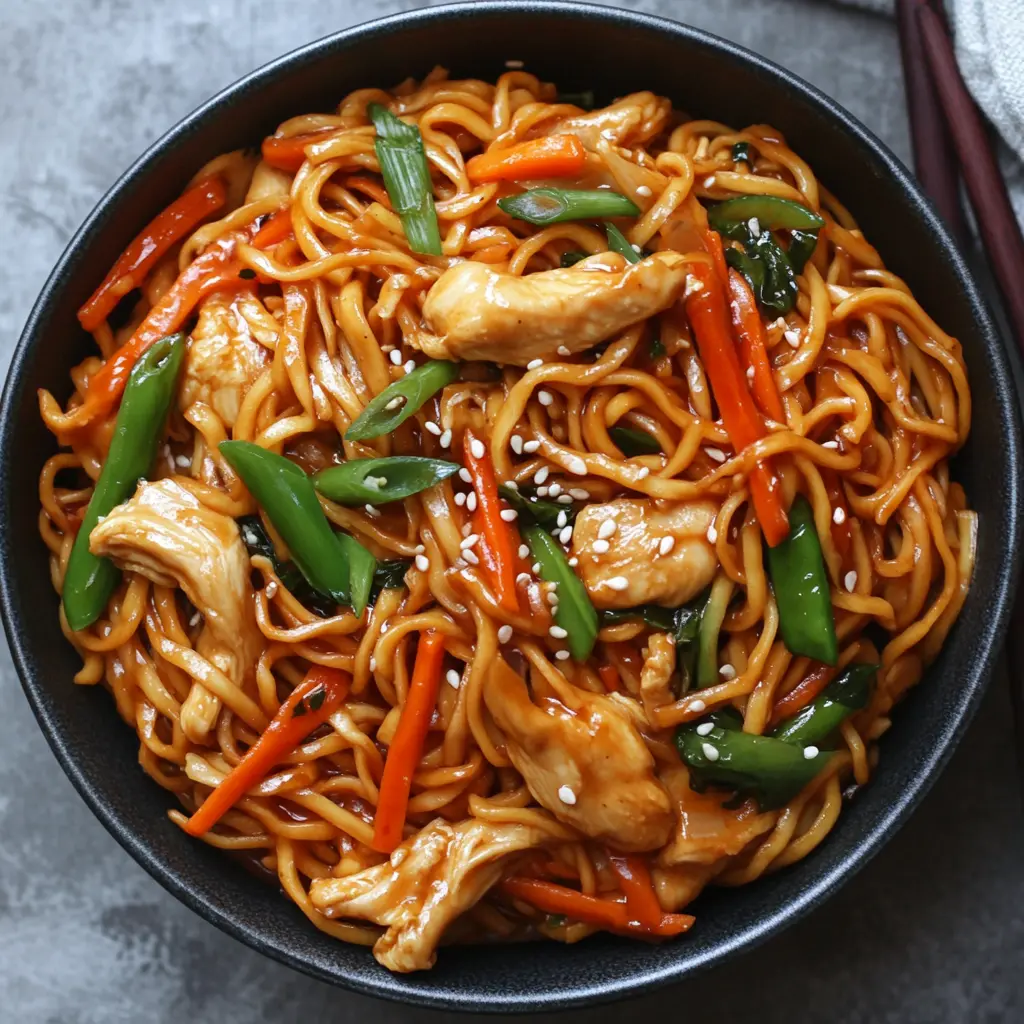
Discover a flavorful Chicken Chow Mein that’s perfect for a quick dinner recipe. This easy chow mein recipe combines tender stir fry chicken with colorful veggies and springy noodles, all coated in a rich, homemade sauce. Enjoy authentic homemade chicken noodles any night of the week!
6 oz boneless chicken breast or thighs thinly sliced
1 tablespoon Shaoxing wine or dry sherry
2 teaspoons cornstarch
1/4 teaspoon salt
1/4 cup chicken broth
2 tablespoons Shaoxing wine or dry sherry
2 tablespoons oyster sauce
1 tablespoon soy sauce
2 teaspoons sugar
1/4 teaspoon white pepper or ground black pepper
1 teaspoon sesame oil
2 tablespoons peanut oil or vegetable oil
4 cups shredded cabbage
2 cloves garlic finely chopped
1 tablespoon ginger minced
10 oz fresh chow mein noodles or 6 oz (170 g) dried chow mein noodles
2 small carrots julienned (yields 1 cup)
1 anaheim pepper or other hot pepper of your choice sliced (Optional)
4 green onions cut into 2” (5 cm) pieces white part halved lengthwise
Method
In a medium bowl, combine the chicken with Shaoxing wine, cornstarch, and salt, massaging it thoroughly to ensure even coverage.
Mix together chicken broth, Shaoxing wine, oyster sauce, soy sauce, sugar, white pepper, and sesame oil in a small bowl until smooth.
Prepare the noodles by boiling them just shy of the recommended time, then rinse under cold water, drain well, and set aside. If using fresh noodles, briefly dunk them in boiling water for about a minute, drain completely.
Heat one tablespoon of oil in a large skillet over medium-high heat until shimmering; spread the chicken out without crowding. Cook until the underside is lightly golden, about 30 to 45 seconds, then flip and cook the other side until it loses all pinkness, about 30 to 45 seconds more. Remove the chicken and set aside.
Add the remaining tablespoon of oil to the pan, toss in the ginger and garlic, stirring intermittently to release their aromas.
Introduce the carrots and cabbage to the pan, stir-frying just until they begin to soften, roughly one minute. Add the noodles and give everything a few tosses with tongs.
Return the cooked chicken to the pan and pour the prepared sauce over all the ingredients. Toss everything together carefully with tongs to distribute the sauce evenly.
Stir in the sliced pepper and green onions, mixing until the sauce is soaked up. Serve immediately while hot.
Notes
For a deeper color, add 1 teaspoon of dark soy sauce without changing the flavor. Alternatively, use 5 cups of pre-cut coleslaw mix instead of cabbage and carrots to reduce prep time.
Why You’ll Love This Chicken Chow Mein
After testing this Chicken Chow Mein more times than I can count in my own kitchen, I can promise it delivers the exact balance you’re craving: tender chicken, crisp veggies, and noodles that soak up every bit of that savory-sweet sauce. You won’t believe how much better this tastes than takeout, and you’ll have dinner on the table in under 30 minutes.
Healthier than delivery: You control the oil, the sodium, and the freshness of every ingredient
One pan wonder: Everything cooks in a single skillet, so cleanup is a breeze
Flexible and forgiving: Swap the veggies, adjust the heat, make it your own
Tested for reliability: These exact measurements and timing work every single time
Key Ingredients That Make the Difference
The magic here isn’t complicated it’s all about layering flavors and textures. You’ll marinate the chicken with Shaoxing wine, cornstarch, and a pinch of salt to keep it juicy and tender. The sauce brings together chicken broth, oyster sauce, soy sauce, sugar, white pepper, and sesame oil for that classic takeout taste.
For the stir fry itself, fresh chow mein noodles are ideal (they only need a quick dip in boiling water), but dried noodles work beautifully too. Shredded cabbage and julienned carrots add crunch and color, while ginger, garlic, and green onions build that fragrant base. Pro Tip: If you’re short on time, grab a bag of coleslaw mix to replace the cabbage and carrots it’s a total game-changer on busy nights.
How to Make It (Step-by-Step)
Start by marinating your sliced chicken breast or thighs with the Shaoxing wine, cornstarch, and salt just toss it all together with your hands until evenly coated. While that sits, mix up your sauce in a small bowl and cook your noodles according to the package directions (aim for al dente, about 1 minute less than recommended).
Heat your skillet over medium-high heat with a tablespoon of peanut oil. Spread the chicken in a single layer and let it sear until slightly golden on each side, about 30 to 45 seconds per side. Transfer it to a plate, then add the remaining oil along with ginger and garlic. Toss in the carrots and cabbage, stir for a minute, then add the noodles and cooked chicken back in. Pour the sauce over everything and toss with tongs until it’s all glossy and well-coated. Finish with sliced peppers and green onions, toss again, and serve immediately.
Step
Time
What to Watch For
Marinate chicken
5 minutes
Coat evenly for tender results
Cook noodles
3–5 minutes
Stop 1 minute early; they finish in the pan
Sear chicken
1–2 minutes
Don’t overcrowd; let it brown slightly
Stir fry veggies & noodles
3–4 minutes
Keep everything moving; high heat is key
Swaps and Tweaks to Make It Yours
One of my favorite things about this dish is how adaptable it is. You can swap chicken thighs for breasts if you want a little more richness, or use dry sherry in place of Shaoxing wine if that’s what you have on hand. If you’re not a fan of heat, skip the anaheim pepper the dish is just as delicious without it.
Ingredient
Easy Swap
Fresh chow mein noodles
Dried chow mein noodles or even spaghetti in a pinch
Cabbage + carrots
5 cups coleslaw mix (huge time-saver)
Peanut oil
Vegetable oil or canola oil
White pepper
Ground black pepper
Anaheim pepper
Bell pepper for no heat, jalapeño for more kick
How to Serve and Store
Serve this hot, straight from the skillet, as a complete one-dish dinner. It’s hearty enough on its own, but if you want to stretch it for a crowd, pair it with steamed edamame or a simple cucumber salad on the side.
Leftovers keep well in an airtight container in the fridge for up to 3 days. Reheat gently in a skillet over medium heat with a splash of chicken broth to bring back the moisture microwaving works too, but the stovetop keeps the noodles from getting gummy. Note: The noodles may absorb some sauce as they sit, so don’t be surprised if they look a little drier the next day.
Craving delicious recipes and fresh cooking inspo? Follow me on Pinterest!
FAQs ( Chicken Chow Mein )
Can I use fresh noodles instead of dried?
Yes, fresh chow mein noodles work wonderfully and often taste better than dried. Use about 12 oz fresh noodles for this recipe and reduce cooking time by half. Fresh noodles cook faster and have a more tender texture that absorbs the sauce beautifully.
What vegetables work best in this stir-fry?
Cabbage, carrots, bell peppers, and bean sprouts are classic choices that provide great crunch. Snow peas, celery, and mushrooms also work well. Cut vegetables uniformly so they cook evenly, and add harder vegetables like carrots first, then softer ones.
How do I prevent the noodles from sticking?
Cook noodles just until tender, then rinse with cold water to stop cooking and remove excess starch. Toss with a little oil after draining. When stir-frying, use high heat and keep everything moving in the pan to prevent sticking.
Can I make this dish ahead of time?
This meal is best served immediately for optimal texture and flavor. However, you can prep ingredients up to 24 hours ahead and store them separately. If you must reheat, use a hot skillet with a splash of oil rather than the microwave.
What sauce ingredients are essential?
Soy sauce, oyster sauce, and sesame oil form the flavor base for authentic taste. A touch of cornstarch helps thicken the sauce and coat the noodles properly. You can adjust saltiness and add garlic or ginger to suit your preferences.
You’ll love how this Chicken Chow Mein turns out tender chicken, crisp vegetables, and noodles that soak up every drop of that savory sauce. It comes together in under 30 minutes, which makes it perfect for those nights when you want something comforting but don’t have hours to spend in the kitchen. The flavor is bright, the texture is spot-on, and honestly? It tastes better than any takeout I’ve ordered.
If you want to switch things up, try adding snap peas or bok choy for extra crunch, or toss in some crushed red pepper if you like a little heat. Leftovers reheat beautifully in a skillet with a splash of broth keeps the noodles from drying out. I learned that trick from my grandmother, who always said a good stir fry should taste even better the next day. She wasn’t wrong.
I’d love to know how this turns out in your kitchen maybe you added your own twist or served it alongside something special. Did you grow up eating chow mein on busy weeknights, or is this your first time making it from scratch? Either way, I hope this becomes one of those recipes you come back to again and again. Save it, share it, and enjoy every delicious bite.