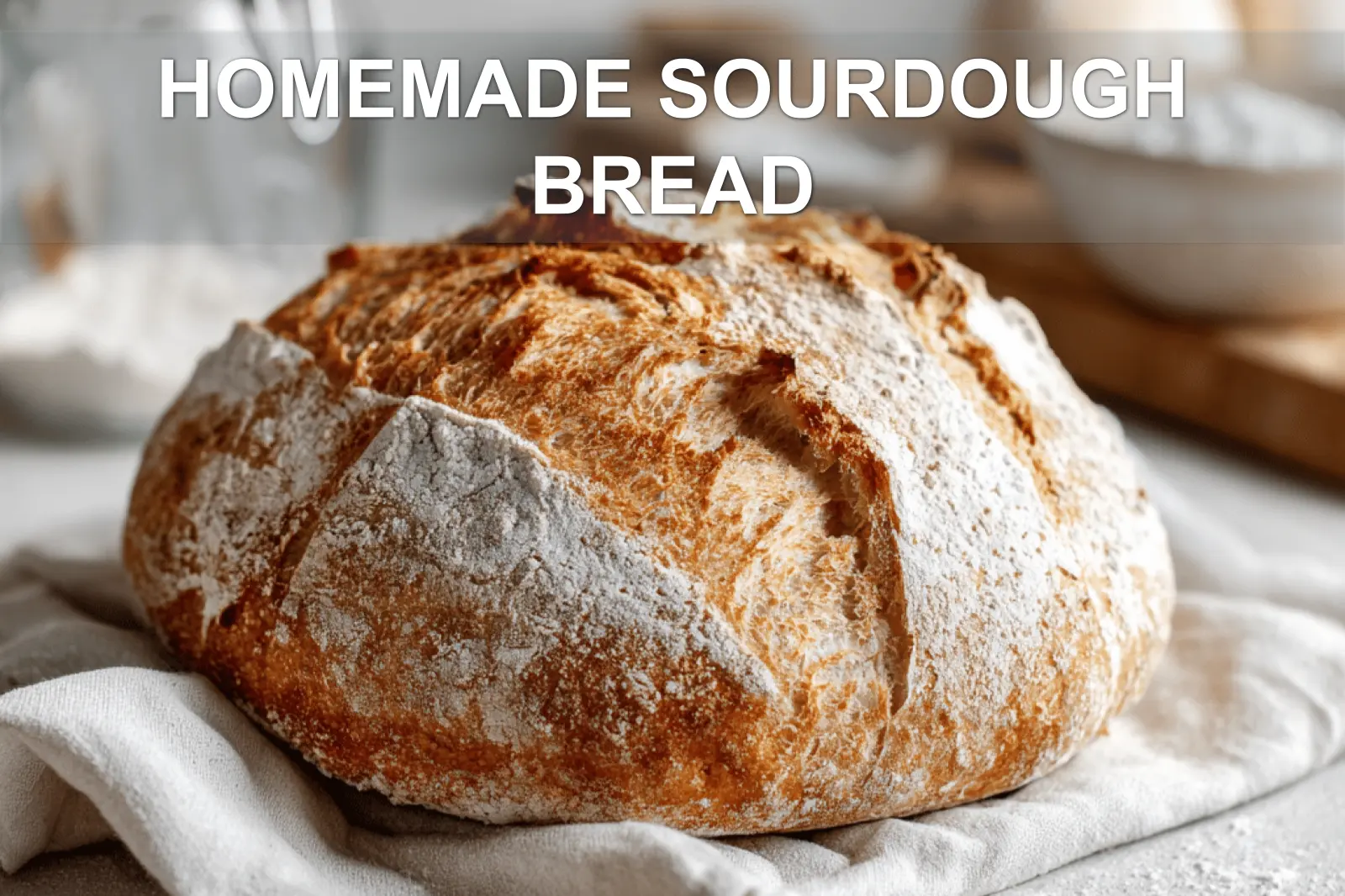
Nothing beats the scent of fresh, homemade sourdough bread drifting through the housewarm, tangy, golden. I grew up on it, and now it’s blowing up again on TikTok and Pinterest. This version? Fool-proof, same-day, beginner-friendly. Crusty outside, soft inside. Let’s bake some magic.
This is the kind of fool proof sourdough bread you can pull together with flour, salt, water, and starter (or a pinch of sourdough bread instant yeast, if you’re in a rush). Pantry basics. No fancy tools. The speed? Think fast sourdough bread vibes that still taste like it took days. Full details in the blog!
I learned sourdough at my grandma’s elbow, flour stuck to my sleeves. This one? I tested it six times before sharing. Enough chew, plenty of steam, and a cracker-sharp crust. There’s a trick to the riseI’ll show you. Promise it’s worth it.
Why You’ll Love This Homemade Sourdough Bread
This recipe is for all of us who want the beauty of homemade sourdough bread without the complicated rules. It’s straightforward, cozy, and has that perfect, crusty exterior with a tender crumb inside. It’s also tested and beginner-friendly, which means you don’t need to worry about the dough behaving like a diva.
Beginner Approved: No autolyse or preferment, just simple steps and clear directions.
Flexible Timing: Make it in one day or let it rise overnightit works with your schedule.
Minimal Hands-On Time: Only 25 minutes of active work needed, so you can multitask while the dough does its magic.
Wholesome Ingredients: Basic pantry staples like flour, water, salt, and a sourdough starter. No instant yeast needed for that authentic tang.
Key Ingredients & Tools: What You’ll Need
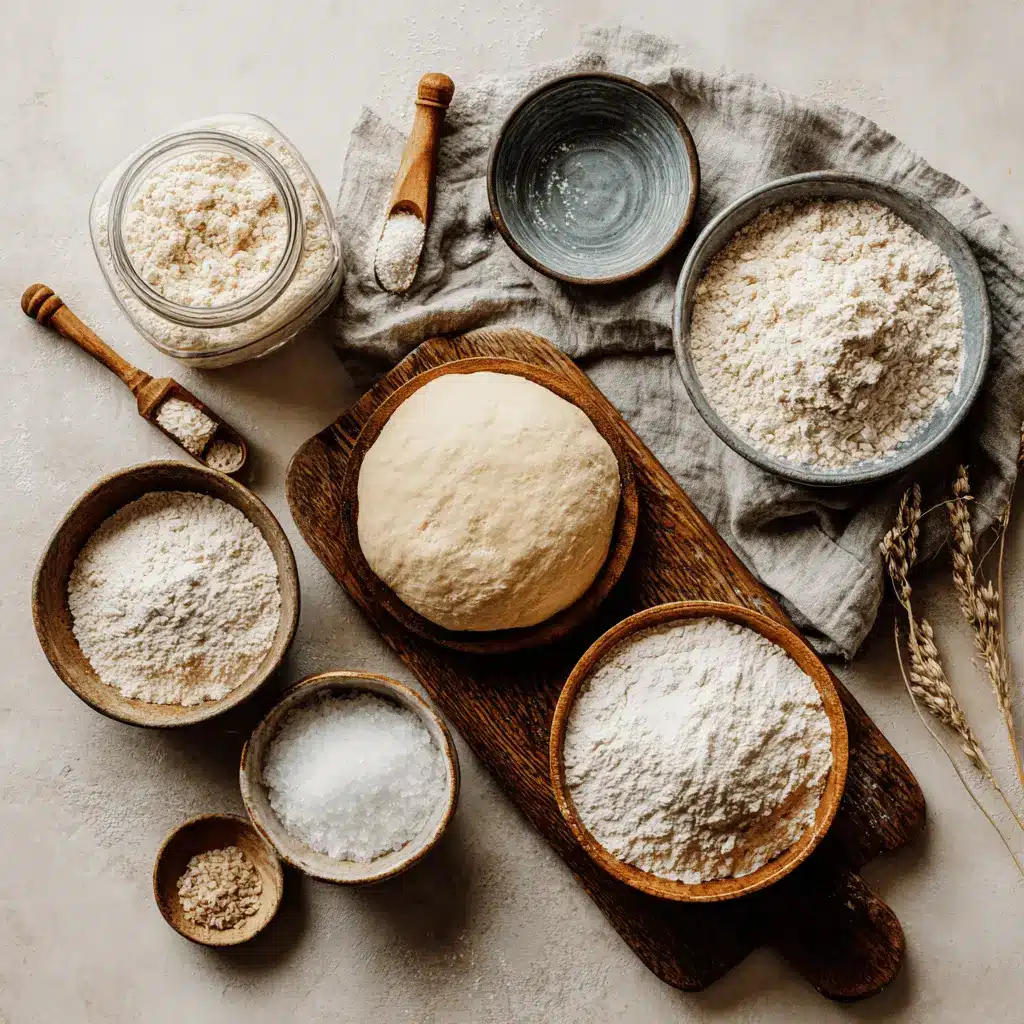
Let’s gather our baking essentials. Trust me, simplicity is the heart of this fool proof sourdough bread. Here’s what goes into making your loaf:
Sourdough Starter: 50–100g of bubbly, active starter (I recommend 100g if you’re in a cold kitchen).
Warm Water: 375 git helps your dough come together beautifully.
Bread Flour: 500 g for that perfect structure and chew.
Salt: 9–12 g, depending on your taste (I love Diamond Crystal or Baleine Fine).
If you’re new to sourdough, don’t worry! I’ll walk you through the process step by step. This homemade sourdough bread may look fancy, but the steps are approachable and forgiving.
Mix the Dough: Stir together your sourdough starter, water, and flour. Let it rest for 30 minutes (this is called autolyse, though we’re keeping it casual).
Add Salt: Sprinkle the salt over the dough and mix it in with wet hands or a spatula. This step enhances flavor and structure.
Stretch and Fold: Every 30 minutes for 2 hours, gently stretch and fold the dough. This helps strengthen it without kneading. Your dough will start to feel smooth and elastic.
Bulk Rise: Let the dough rest until it increases in volume by 50%this usually takes 4-6 hours, but a warm kitchen speeds things up.
Shape and Proof: Shape your dough into a round or oblong loaf. Let it rest overnight in the fridge or for 1-2 hours at room temperature if you’re going for sourdough bread same day.
Bake Your Bread: Preheat your oven to 450°F, place your dough in a preheated Dutch oven, and bake with the lid on for 20 minutes, then uncovered for 30 minutes. Voilàa golden, crackling crust.
Step Summary
Step
Timing
Mix Dough
10 minutes
Add Salt
5 minutes
Stretch & Fold
2 hours
Bulk Rise
4–6 hours
Proof & Bake
1–2 hours / Overnight + 50 minutes bake time
Tips for Success: Troubleshooting and Tweaks
Bread dough can be moodyyou’re working with a living, breathing system. Here are some tips to troubleshoot common sourdough issues:
Dough too Sticky? Dust your hands lightly with water or flour during stretches. A sprinkle of rice flour can help prevent sticking without burning.
Flat Loaf? If your dough isn’t holding its shape, try extending your bulk rise a little longer to fully develop its strength.
Want More Flavor? Let the proofing happen overnight in the fridgeslower fermentation equals deeper flavors and a gorgeous crust.
Pro Tip: If you’re new, stick to the simpler, quicker version first to boost your confidence. You can always level up later!
Storing & Freezing Your Loaf
Nothing beats warm sourdough fresh out of the oven, but proper storage can help it stay delicious for days. Here’s how to manage leftovers:
Room Temperature: Store your loaf in a paper bag or wrapped in a clean kitchen towel for up to 3 days. Avoid plastic as it softens the crust.
Freezing: Slice your bread before freezing to make it easy to pull out just what you need. Store in an airtight container or freezer bag for up to 3 months.
Reheating: Pop slices in the toaster or a warm oven to revive the crust and crumb.
Storage Tips
Storage Method
Best For
Tips
Room Temperature
1–3 days
Wrap with a towel or paper bag to keep crust crisp.
Homemade sourdough bread relies on careful fermentation, which develops both flavor and texture naturally. Patience during the proofing stages is key, as it allows beneficial wild yeasts to create a bread that’s airy, tangy, and wholesome. This traditional approach transforms simple ingredients into something truly special.
For more delicious recipes and cooking inspiration, follow me on Facebook, Pinterest and Reddit!
The Joy Behind Homemade Sourdough Bread
After many attempts, including an early loaf that was more brick than bread, I finally nailed the perfect balance of crust and crumb. This homemade sourdough bread recipe reflects all those lessons learned, making it both reliable and rewarding for anyone ready to enjoy baking with confidence.
FAQs ( Homemade Sourdough Bread, Step by Step )
How long does it take to make homemade sourdough bread?
Traditional homemade sourdough bread typically takes 24-48 hours from start to finish, including starter preparation and fermentation time. However, if you’re looking for a faster option, you can make sourdough bread same day using an active starter and warm environment to speed up the process. The active preparation time is only about 30 minutes, with most of the time being hands-off fermentation. With proper planning, you can enjoy fresh sourdough bread without too much active work.
Can I make sourdough bread without a starter?
Technically, authentic sourdough bread requires a sourdough starter for its characteristic tangy flavor and natural leavening. However, you can make sourdough bread with instant yeast as a substitute, which gives you a similar texture and allows you to add vinegar or citric acid for that tangy flavor. This method is much faster and doesn’t require maintaining a starter. While purists might debate the authenticity, it’s a great way to enjoy sourdough-style bread when you don’t have an active starter ready.
Why is my homemade sourdough bread dense and heavy?
Dense sourdough bread usually results from an inactive starter, insufficient fermentation time, or over-proofing the dough. Make sure your starter is bubbly and doubles in size within 4-8 hours of feeding before using it. Under-developed gluten from inadequate kneading or folding can also create a heavy texture. For a more fool proof sourdough bread approach, ensure your starter passes the float test, give the dough proper bulk fermentation time, and don’t skip the gluten development steps.
How do I get a crusty exterior on my sourdough bread?
To achieve that perfect sourdough crusty bread exterior, bake your bread in a preheated Dutch oven or cast iron pot with the lid on for the first 20-30 minutes. This creates steam that helps develop the crust while keeping the interior moist. Remove the lid for the final 15-20 minutes to allow the crust to brown and crisp up. You can also place a pan of hot water on the bottom oven rack or spray the oven walls with water right after loading the bread for extra steam.
How should I store homemade sourdough bread?
Store your homemade sourdough bread cut-side down on a cutting board for the first day to maintain the crusty exterior. After that, wrap it in a clean kitchen towel or place it in a paper bag to preserve the crust while preventing it from getting too hard. Avoid plastic bags as they make the crust soft and chewy. For longer storage, slice and freeze portions in freezer bags for up to 3 months – just toast slices directly from frozen when you’re ready to enjoy them.
Conclusion
This homemade sourdough bread recipe delivers a crusty, flavorful loaf with surprisingly simple steps and approachable timing. Whether you choose the fast sourdough bread or opt for the more relaxed, same-day rise, you’ll love how it fills your kitchen with warmth and rustic charm. It’s satisfying baking you can trust, even on busy days.
Feel free to jazz it up with herbs, seeds, or a touch of whole wheat flour for twist on this classic. Storing it wrapped in a towel keeps that sourdough crusty bread texture for days, plus reheating revives it beautifully. A tip from pros: a Dutch oven really takes your loaf to the next level worth every penny!
Give this recipe a whirl, then share your photos or secret tweaks did sourdough find a place in your family story? Pass it along to friends who could use a little homemade comfort. You’ll wanna make this fool proof sourdough bread again and again.
Joe Rooney
Homemade Sourdough Bread: Easy Delicious Recipe
If you love fresh sourdough bread with a golden, crisp crust and a light, airy crumb, this fool proof sourdough bread recipe is for you. It’s one of the simplest homemade sourdough bread recipes with quick preparation, requiring only 25 minutes of hands-on work. This recipe sourdough bread guide will walk you through each step, making sourdough bread quick and enjoyable.
In a large mixing bowl, combine the sourdough starter and warm water. Stir until the starter is dissolved.
Add the bread flour and salt to the mixture. Mix together until a rough dough forms.
Cover the bowl with a towel and let the dough rest for 30 minutes.
Perform the first set of stretches and folds by grabbing the edge of the dough, stretching it upward and folding it over the center. Rotate the bowl and repeat 3 more times.
Repeat the stretches and folds every 30 minutes for a total of 4 sets.
After the last fold, cover the dough and let it bulk ferment at room temperature until it has increased in volume by about 50%, approximately 4 to 6 hours depending on starter activity and room temperature.
Transfer the dough onto a lightly floured surface and pre-shape it into a round. Let it rest for 20-30 minutes.
Perform the final shaping into a round boule or batard shape.
Place the shaped dough seam-side up in a well-floured flour sack towel-lined proofing basket or bowl.
Cover and refrigerate the dough overnight (8-12 hours) for the final proof.
Preheat your oven to 450°F (230°C) with a Dutch oven inside for at least 30 minutes.
Carefully remove the hot Dutch oven, invert the dough onto parchment paper, and score the top with a sharp blade.
Place the dough with the parchment into the Dutch oven, cover with the lid, and bake for 20 minutes.
Remove the lid and bake for an additional 20-25 minutes until the crust is golden and crisp.
Remove the bread from the oven and cool on a wire rack for at least 1 hour before slicing.
Notes
Use an active sourdough starter activated from brands like King Arthur Flour or Breadtopia. Invest in a digital scale for accurate measurements. Use rice flour for dusting to prevent burning, or use a flour sack towel without any flour. Adjust hydration by adding more water if desired. Use either kosher salt (Diamond Crystal) or fine sea salt (Baleine Fine), about 12 grams. For a more open crumb, try shaping a batard. Add herbs, cheese, or spices before the third set of stretches and folds, and consider an extra fold for even distribution.