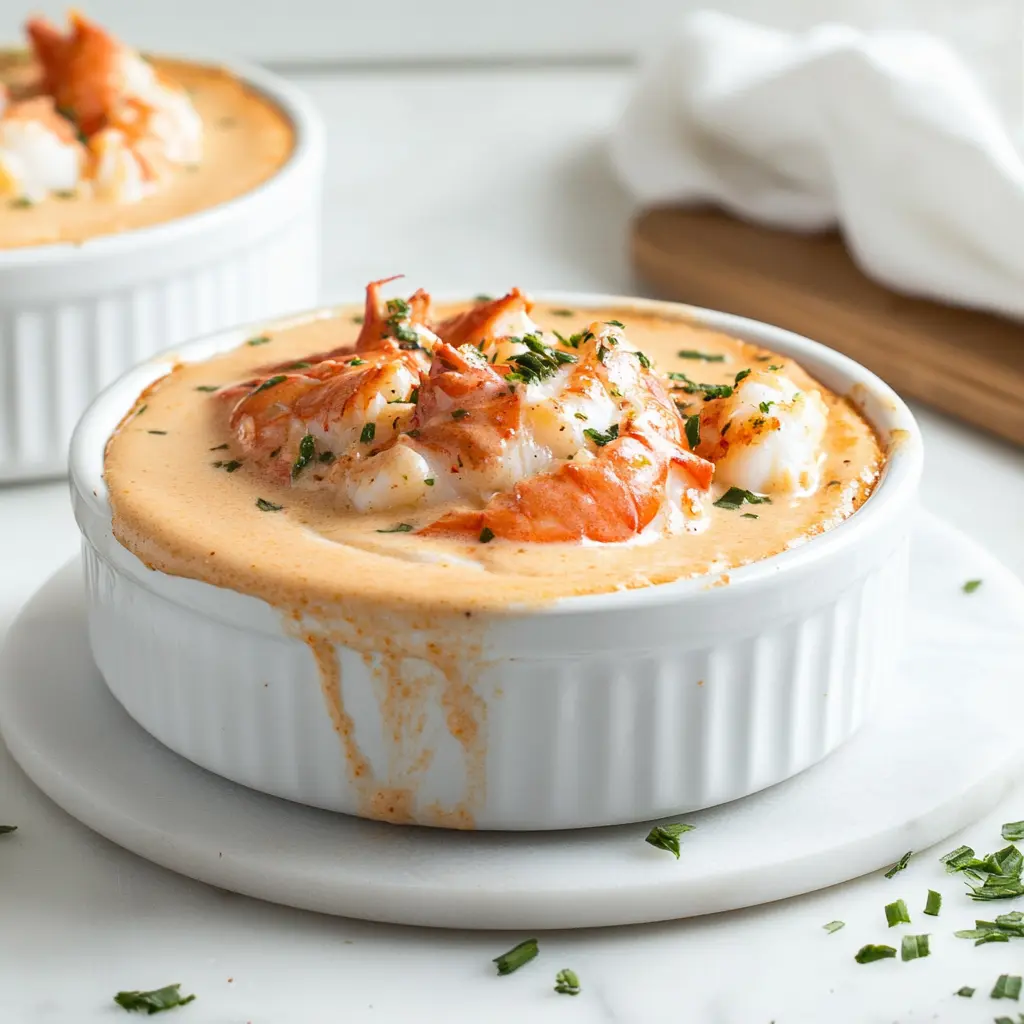
Rich, silky, with that deep ocean sweetness that makes your shoulders drop a littlethis Lobster Bisque Recipe tastes like the kind of meal you’d order out, but you can make it at home without much fuss. It’s elegant enough for company, but simple enough for a Tuesday.
I first tested this back in early spring when I was craving something cozy but not heavysomething that felt like a reset after too many nights of throwing together whatever was easiest. The trick I learned after years of blogging? Using shells to build flavor changes everything. After a long day, I need dinner to be comforting but not heavy, and this one delivers that perfectly. It feels special without asking much from you.
Yesica Andrews
Lobster Bisque Recipe Easy Creamy Comfort for Busy Nights
Enjoy this rich and creamy Lobster Bisque Recipe that brings gourmet flavors to your table with ease. Perfect for an easy dinner or weeknight meal, this comfort food delivers a homemade bisque experience the whole family will love. Indulge in this luscious creamy soup that’s ideal for family dinner or whenever you crave soothing French cuisine.
½ cup seafood stock + 1–2 teaspoons fresh lemon juice
4 cups seafood stock
1 cup heavy cream
1 teaspoon sweet paprika
1 bay leaf
1 teaspoon fresh thyme leaves
Salt and freshly ground black pepper, to taste
Optional: pinch of cayenne pepper
Method
Fill a large pot with salted water and bring it to a rolling boil. Add the lobsters and cook until shells turn bright red, about 8 to 10 minutes. Remove lobsters, let cool briefly, then extract the meat and chop; keep the shells for later use.
Heat olive oil and butter in a heavy-bottomed pot over medium heat. Toss in the onion, carrot, and celery and cook, stirring frequently, until the vegetables soften, around 8 to 10 minutes. Add the minced garlic and cook just until fragrant, about 30 seconds.
Mix in the tomato paste and cook until it darkens slightly, about 2 to 3 minutes. Sprinkle the flour over the mixture and keep stirring, cooking it for another 1 to 2 minutes to form a roux.
Pour in the half cup of seafood stock combined with the lemon juice, scraping the bottom of the pot to loosen any browned bits. Allow it to simmer gently for 2 to 3 minutes.
Add the reserved lobster shells back to the pot along with the 4 cups of seafood stock, sweet paprika, bay leaf, and fresh thyme. Bring everything up to a simmer and let cook gently for 30 to 40 minutes so the flavors meld deeply.
Remove the bay leaf. Use an immersion blender to puree the broth and shells until smooth. Strain this mixture carefully through a fine sieve into a clean pot for a silky texture.
Pour in the heavy cream and fold in the chopped lobster meat. Warm the bisque gently just until heated through, about 5 to 7 minutes. Season with salt, pepper, and a pinch of cayenne if desired for a subtle kick.
Serve the bisque hot in warmed bowls and garnish if you like with extra herbs or a drizzle of cream.
Notes
For the richest flavor, let the shells simmer for the full time without rushing. Strain the bisque twice if you want an ultra-smooth finish. You can prepare the bisque base a day ahead and add cream when ready to serve. Freeze the bisque before adding cream for best freezer results. Adjust the soup’s thickness by cooking longer to reduce or adding a bit more warm stock if needed.
Why You’ll Love This Lobster Bisque Recipe
There’s something about a bowl of creamy, shell-simmered bisque that makes even the busiest Tuesday feel like a celebration. It’s my go-to when I’m tired and still want dinner to feel like dinnerlow effort, but still deeply satisfying.
Tastes like a splurge, but it’s not: Using lobster shells to build the broth gives you restaurant-level flavor without needing fancy skills or a culinary degree.
Easier than you think: Most of the time is hands-off simmering. You can walk away, fold laundry, or just breathe for a bit.
Make-ahead friendly: Prep the base the day before, then stir in heavy cream and lobster meat right before serving. Perfect for when you want to impress without scrambling.
Flexible and forgiving: Swap whole lobsters for lobster tails, adjust thickness to your liking, and season as boldly or gently as you prefer.
Key Ingredients That Make It Work
Every ingredient here plays a rolenothing’s just for show. Here’s what you’ll need and why it matters.
Lobster (whole or tails): Fresh is ideal, but frozen tails work beautifully and are easier to find. The shells are where the magic happensthey’re what turn your broth rich and deeply flavored.
Olive oil and unsalted butter: The base that carries flavor. Butter adds richness; olive oil keeps things from burning.
Onion, carrots, celery: Classic mirepoix. Finely chopped, they melt into the background and build sweetness.
Tomato paste and flour: Tomato paste deepens color and umami; flour thickens the bisque just enough without feeling heavy.
Seafood stock: The backbone of your broth. If you can’t find it, clam juice or a mild vegetable stock works in a pinch.
Heavy cream: Stirred in at the end for that signature silky finish.
Paprika, thyme, bay leaf: Warm, gentle seasoning that doesn’t compete with the lobster.
Ingredient
Easy Swap
Whole lobsters
Lobster tails (3–4 tails)
Seafood stock
Clam juice or vegetable stock
Heavy cream
Half-and-half (thinner, but still creamy)
Fresh thyme
Dried thyme (use ½ teaspoon)
How the Recipe Comes Together
The process is surprisingly forgiving. You’re building layersfirst the lobster, then the aromatic base, then a long gentle simmer that pulls everything together.
Start by boiling your lobsters in salted water for 8–10 minutes. Once cool, pull out the meat, chop it, and tuck it in the fridge. Keep those shellsthey’re gold. In your pot, sauté onion, carrot, and celery in olive oil and butter until soft and sweet. Stir in garlic, then tomato paste, letting it darken just a bit. Add flour, then deglaze with seafood stock and fresh lemon juice.
Toss in the shells, more stock, paprika, bay leaf, and thyme. Let it bubble gently for 30–40 minutes. The shells release their sweetness into the broth, turning it rich and coral-toned. Blend everything smooth, strain it twice if you want that ultra-silky texture, then stir in heavy cream and lobster meat. Season with salt, pepper, and a pinch of cayenne if you like a little warmth.
Step
Time
What’s Happening
Boil lobster
8–10 min
Cooking the meat, saving shells for stock
Sauté vegetables
8–10 min
Building sweetness and aroma
Simmer shells
30–40 min
Extracting deep lobster flavor
Blend & strain
5 min
Creating smooth, silky texture
Finish with cream
5–7 min
Adding richness, reheating gently
Troubleshooting and Tips
Even if you’ve never made bisque before, a few simple tricks will help you nail it every time.
Too thin? Let it simmer uncovered for another 10 minutes, or whisk in a tiny bit more flour mixed with softened butter.
Too thick? Thin it out with warm seafood stock, a splash at a time, stirring gently.
Grainy texture? Strain twiceonce through a regular sieve, then again through cheesecloth if you have it.
Not enough flavor? Don’t rush the shell simmer. That’s where the magic happens. Let it go the full 30–40 minutes.
Freezing? Make the base, cool it completely, and freeze before adding heavy cream. Thaw overnight in the fridge, then reheat and stir in cream when ready to serve.
Pro Tip: Taste before you add cayenne. A pinch adds warmth without heat, but it’s easy to overdo.
How to Serve and Store
This bisque shines on its own, but it also loves a little company. Ladle it into warm bowls and serve with crusty bread, oyster crackers, or a simple side salad. It’s elegant enough for a dinner party, but cozy enough for a quiet night in.
Leftovers keep beautifully in the fridge for up to 3 days. Reheat gently over low heatdon’t let it boil, or the cream may separate. If you’re making it ahead, prepare everything up to the point of adding cream, then finish it fresh the day you plan to serve.
Storage Method
How Long
Best Practice
Refrigerator
Up to 3 days
Store in airtight container; reheat gently
Freezer (base only)
Up to 2 months
Freeze before adding cream; thaw overnight
Make-ahead
1 day
Prep base, refrigerate, add cream before serving
Craving delicious recipes and fresh cooking inspo? Follow me on Pinterest!
FAQs ( Lobster Bisque Recipe )
Can I use frozen lobster tails for this recipe?
Yes, frozen lobster tails work perfectly well. Thaw them completely in the refrigerator overnight before cooking. Make sure to pat them dry and remove any excess water to prevent the bisque from becoming watery.
How long does homemade bisque last in the fridge?
Fresh bisque stays good for 3-4 days when stored properly in the refrigerator. Keep it in an airtight container and reheat gently on the stovetop, stirring frequently to prevent curdling.
What can I substitute for heavy cream?
Half-and-half works as a lighter alternative, though the texture will be thinner. For dairy-free options, try coconut cream or cashew cream. Avoid milk substitutes that are too thin as they won’t create the rich, velvety consistency.
Why did my bisque turn out grainy?
Graininess usually happens from overheating or not straining properly. Always cook on medium-low heat and strain the mixture through a fine-mesh sieve. If it curdles, try blending again and straining once more.
Can this dish be made ahead for entertaining?
Absolutely! Make the base up to 2 days ahead and store refrigerated. Add the cream and final seasonings when reheating to serve. This actually helps the flavors develop and makes entertaining much easier.
Your New Favorite Lobster Bisque
ThisLobster Bisque Recipe comes together in about an hour, and most of that time is just gentle simmering while you catch your breath. You’ll love how silky it turns outrich, warm, and deeply satisfying without feeling fussy. The shells do all the heavy lifting, building layers of flavor that taste like you spent all day in the kitchen. It’s the kind of recipe that makes you feel quietly proud when you ladle it into bowls.
If you want a little extra richness, stir in a pat of butter right before servingit melts into the broth and adds this beautiful glossy finish. You can also top each bowl with fresh chives or a tiny drizzle of sherry for a grown-up touch. Leftovers reheat beautifully over low heat; just don’t let it boil or the cream might break. A trick I learned from years of sourcing ingredients? Buying frozen lobster tails from your local grocer is just as good as fresh, and way easier to find midweek.
I’d love to hear how yours turns outtag me if you share a photo, or tell me in the comments if you added your own twist. Did you grow up eating bisque on special occasions, or is this your first time trying it at home? Either way, I hope this recipe becomes one you reach for when you want dinner to feel like a gentle reset. Save it, share it with someone who needs a cozy meal, and know that even the simplest version is worth celebrating. Here’s to dinners that help you get back into a rhythm.