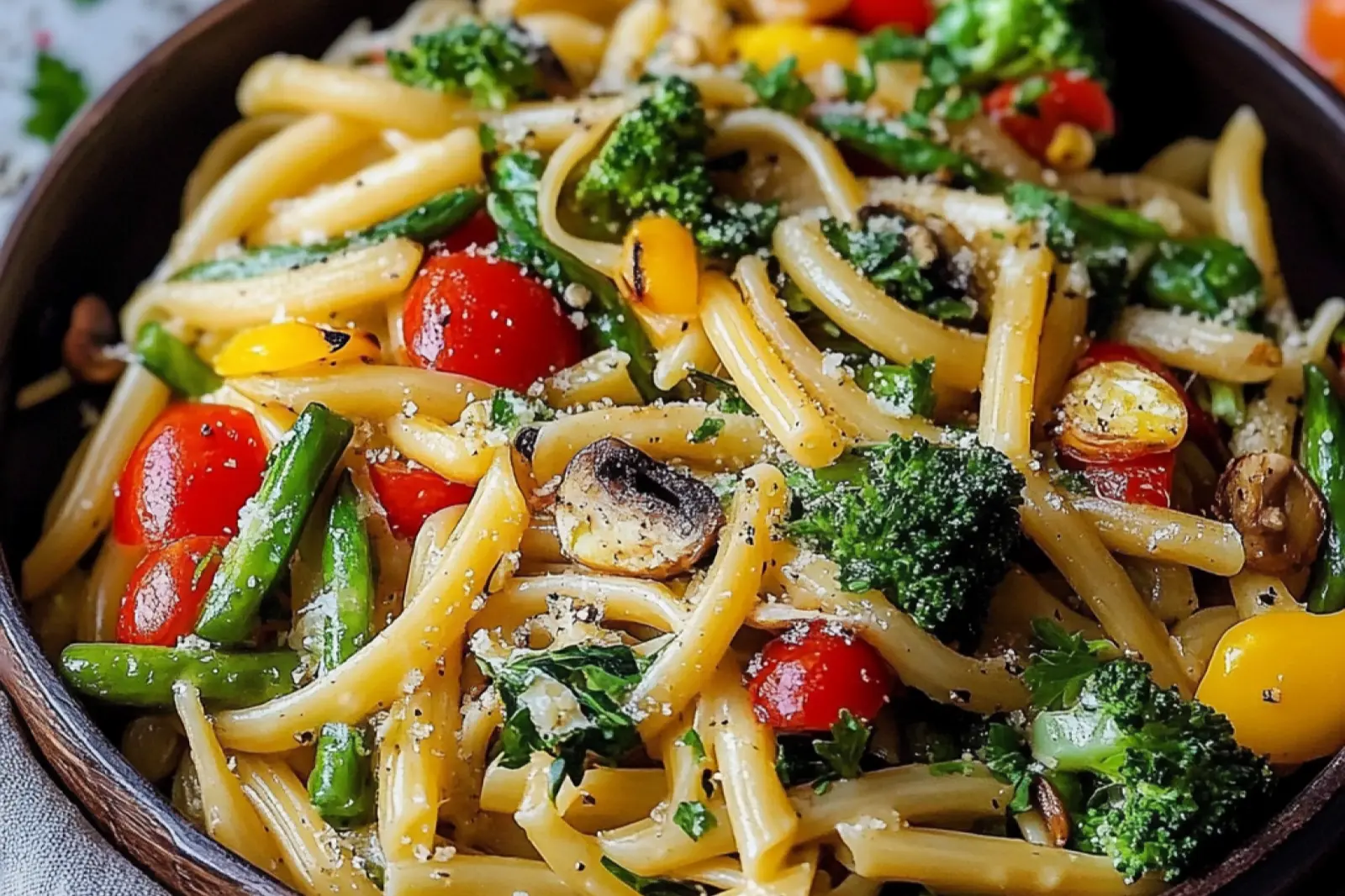
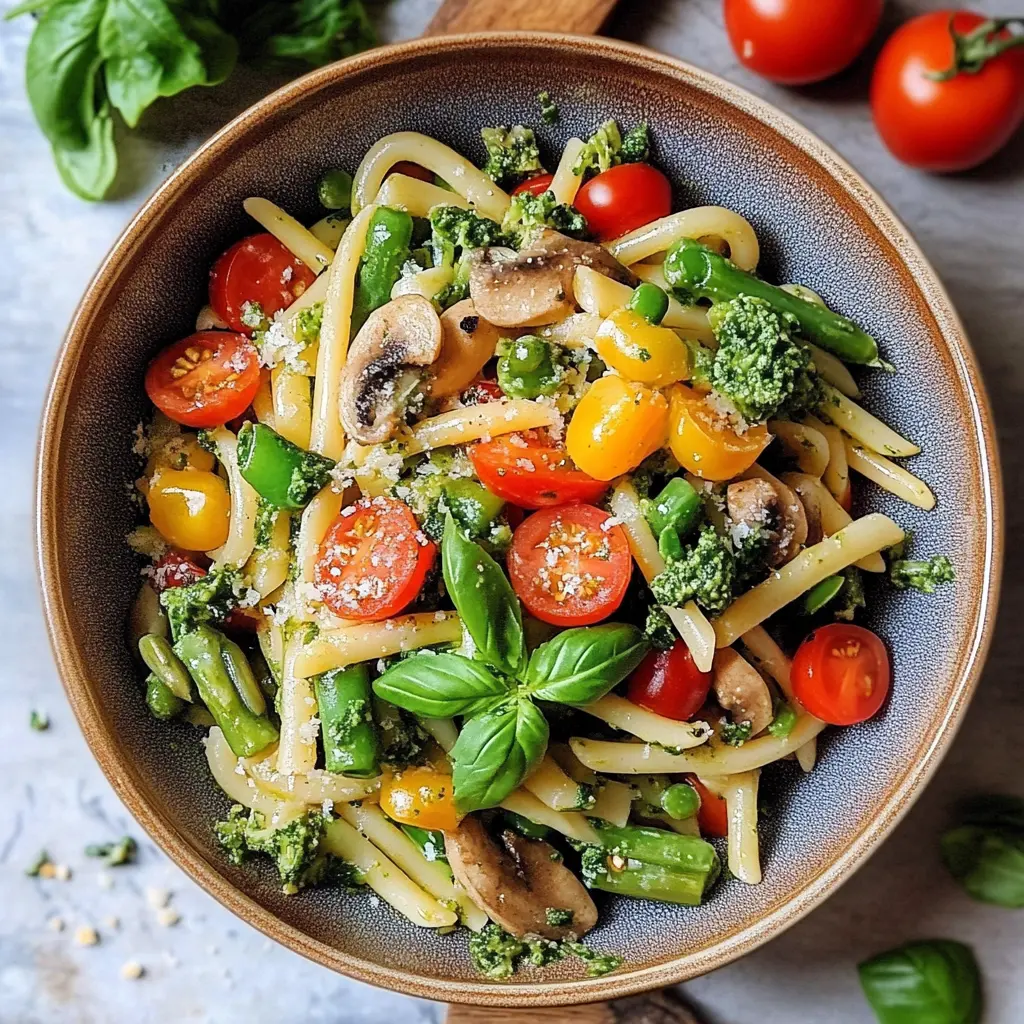
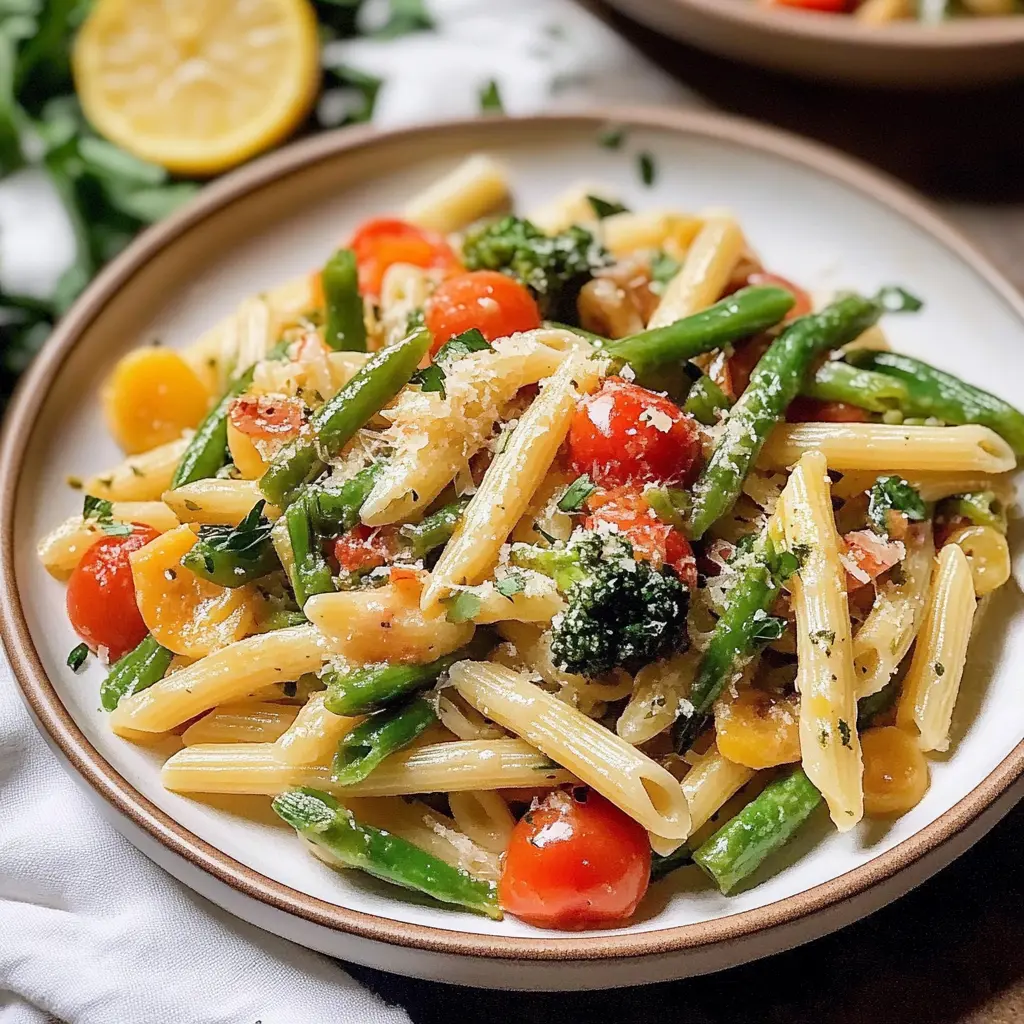
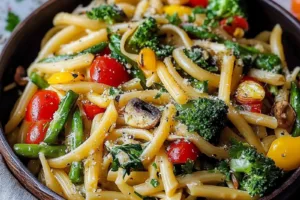
There’s something about a big bowl of tender pasta tossed with bright, crisp vegetables that just feels like spring came early. Pasta Primavera is one of those dishes that looks fancy but comes together faster than ordering takeoutand tastes about a hundred times better.
I tested this back in 2019 when I was working through my grandmother’s handwritten notes on simple, nourishing meals. She’d scribble “don’t overcook the veggies!” in the margin, and she was rightkeeping them slightly firm is what makes this dish sing. After tweaking the garlic and oil ratio about eight times, I finally landed on a version that balances richness with that fresh, garden-just-picked vibe.
Joe Rooney
Pasta Primavera Recipe Easy Fresh and Irresistible
Experience the delightful freshness of Pasta Primavera, a vibrant Italian dish loaded with spring vegetables and a creamy lemon sauce. This easy, colorful pasta is perfect for warm days and brings a refreshing twist to your meal with its crisp veggies and bright flavors.
Fill a large pot with water and bring it to a rolling boil. Add salt and penne pasta, cooking for about 11 minutes, stirring occasionally. Drain the pasta thoroughly and return it to the pot.
Heat olive oil in a large skillet over medium-high heat. Toss in the asparagus, yellow bell pepper, and broccoli, cooking them for 2 to 3 minutes while stirring often. Add the chopped zucchini and continue to cook for 1 to 2 more minutes until vegetables are tender yet retain some crunch. Season with salt and black pepper, then remove veggies from the skillet and set aside.
Place the skillet back on the stove and melt the butter over medium heat. Sauté the minced shallot and garlic for approximately 2 minutes until fragrant. Mix in the lemon zest and vegetable broth, letting the liquid simmer until it reduces by half, about 4 to 5 minutes. Stir in the heavy cream and 2 tablespoons of lemon juice to create a creamy sauce.
Add the frozen peas directly into the pot with the cooked pasta, followed by the sautéed vegetables. Pour the lemon cream sauce over the pasta and vegetables, mixing gently to blend all elements together. Incorporate the Parmesan cheese along with the remaining tablespoon of lemon juice. Finally, fold in the halved grape tomatoes and chopped basil. Adjust seasoning with salt and black pepper to your preference.
Transfer the pasta primavera into a serving bowl or dish. Sprinkle with Italian parsley, extra Parmesan cheese, and a pinch of crushed red pepper flakes for garnish. Serve the dish warm and enjoy.
Notes
Feel free to customize the vegetables to your liking, such as adding mushrooms, yellow squash, artichoke hearts, carrots, spinach, or kale. Use your preferred pasta shape or substitute gluten-free pasta if needed. To boost protein, consider including chicken, shrimp, beans, or tofu. Store leftovers in an airtight container in the refrigerator for up to 5 days.
Why You’ll Love This Pasta Primavera
Here’s why this dish has become a weeknight staple in my kitchen: it’s fast, flexible, and celebrates whatever vegetables you’ve got sitting in the crisper drawer. The lemon cream sauce is light enough that you don’t feel weighed down, but rich enough to feel like a treat.
Quick enough for busy nights: From start to finish, you’re looking at about 35 minutesmost of that is just letting the pasta boil.
Veggie-packed without being preachy: Asparagus, broccoli, bell peppers, zucchini, peas, and tomatoes all get their moment to shine.
Adaptable: Swap in whatever’s seasonal or on sale. No yellow bell pepper? Use red. Out of asparagus? Try mushrooms or spinach.
Crowd-pleaser: Even the pickiest eaters tend to go back for seconds when there’s creamy, cheesy pasta involved.
The Key Players: Ingredients That Make It Work
What I love about this recipe is that it doesn’t call for anything obscure. You’ll find everything at your regular grocery store, and most of it keeps well if you want to meal prep ahead.
The lemon zest and lemon juice are your secret weaponsthey brighten the whole dish and keep the cream sauce from feeling too heavy. Don’t skip the zest; it adds a fragrant pop that bottled juice just can’t match. The shallot and garlic build a savory base, while the vegetable broth and heavy cream create that silky sauce. Parmesan cheese ties it all together with a salty, nutty finish.
For the veggies, I like cutting everything into similar-sized pieces so they cook evenly. The grape tomatoes and basil go in at the end to stay fresh and vibrant.
How to Make It: A Simple Step-by-Step
Start by getting your pasta water boilingsalt it generously, like the ocean. While the penne cooks, you’ll sauté the vegetables in batches so they stay crisp-tender, not mushy. After years of testing pasta dishes, I’ve learned that cooking veggies in stages is the difference between vibrant and soggy.
Step
What You’re Doing
Timing
1
Boil pasta until al dente, drain, return to pot
11 minutes
2
Sauté asparagus, peppers, broccoli in olive oil
2–3 minutes
3
Add zucchini, cook until tender-crisp, set aside
1–2 minutes
4
Melt butter, cook shallot and garlic, add lemon zest and broth
2 minutes + 4–5 simmer
5
Stir in cream and lemon juice, combine everything
2 minutes
6
Toss with pasta, peas, Parmesan, tomatoes, basil
1 minute
Pro Tip: Don’t rinse your pasta after draining. That starchy coating helps the sauce cling beautifully.
Swaps and Tweaks to Make It Your Own
One of the best things about this dish is how forgiving it is. Out of asparagus? Use green beans or snap peas. Want more protein? Toss in cooked shrimp, shredded rotisserie chicken, or white beans.
Ingredient
Easy Swap
Penne pasta
Bowtie, rigatoni, or gluten-free pasta
Heavy cream
Half-and-half or cashew cream
Shallot
Yellow onion or white onion
Parmesan cheese
Pecorino Romano or nutritional yeast
Vegetable broth
Chicken broth or white wine + water
If you’re feeling adventurous, a handful of baby spinach or arugula stirred in at the end adds a peppery bite. You can also dial up the crushed red pepper flakes if you like a little heat.
Serving and Storing Your Pasta
This works beautifully as a main dish, especially if you add protein. I like serving it straight from a big, shallow bowl with extra Parmesan and a sprinkle of Italian parsley on top. A slice of crusty bread on the side is never a bad idea.
Leftovers keep well in an airtight container in the fridge. The sauce may thicken as it sitsjust add a splash of vegetable broth or pasta water when reheating, and it’ll loosen right back up. Reheat gently on the stovetop or in the microwave in short bursts, stirring between.
Note: The tomatoes and basil will soften a bit after a day, but the flavors actually meld together nicely. Some folks even prefer it the next day.
Craving delicious recipes and fresh cooking inspo? Follow me on Pinterest!
FAQs ( Pasta Primavera )
What vegetables work best in Pasta Primavera?
Bell peppers, zucchini, broccoli, cherry tomatoes, and asparagus are classic choices that hold their texture well. I recommend using seasonal vegetables for the freshest flavor. Cut everything into similar-sized pieces so they cook evenly. Frozen vegetables can work in a pinch, but fresh gives better results.
How do I prevent the vegetables from getting mushy?
Cook vegetables in order of their cooking times – start with harder vegetables like broccoli and carrots first. Keep the heat at medium-high and don’t overcrowd the pan. The vegetables should be tender-crisp, not soft. Remove them from heat while they still have a slight bite to them.
Can I make this recipe ahead of time?
This dish is best served immediately, but you can prep the vegetables up to a day ahead. Store cut vegetables in the refrigerator and cook the pasta fresh when ready to serve. If you must reheat leftovers, add a splash of pasta water to restore the sauce consistency.
What pasta shape works best for this dish?
Penne, rigatoni, or farfalle work wonderfully because their shapes hold the vegetables and sauce well. I prefer using shapes with ridges or tubes that catch all the flavors. Cook the pasta just until al dente since it will continue cooking slightly when tossed with the hot vegetables.
How can I add more protein to make it heartier?
Grilled chicken, shrimp, or Italian sausage are excellent protein additions that complement the vegetables. You can also toss in some cannellini beans for a vegetarian protein boost. Add cooked proteins at the end just to warm through, so they don’t overcook and become tough.
You’ll love how this Pasta Primavera comes together in just 35 minutes with vegetables that stay crisp and a creamy sauce that clings to every bite. The lemon brightens everything without overpowering, and that hit of fresh basil at the end? Pure spring magic. It’s the kind of dish that looks restaurant-fancy but feels like a warm hug from your own kitchen.
A trick I learned from testing this so many times: toss in a handful of baby arugula right before serving for a peppery bite that cuts through the richness. If you’re meal prepping, undercook the pasta by a minute so it doesn’t get mushy when reheated. And honestly, this tastes even better the next day when all those flavors have had time to meld together.
Swap the veggies based on what’s in season or what your family actually eatsno judgment, just good food. I’d love to know what vegetables you tossed into yours, or if you added shrimp or chicken to make it heartier. Did this remind you of a dish your mom used to make on busy weeknights? Drop a comment or tag me with your bowlI genuinely look forward to seeing your version. And if someone you love could use a simple, nourishing dinner idea, go ahead and share this recipe. Here’s to more meals that feel like springtime, no matter the season.