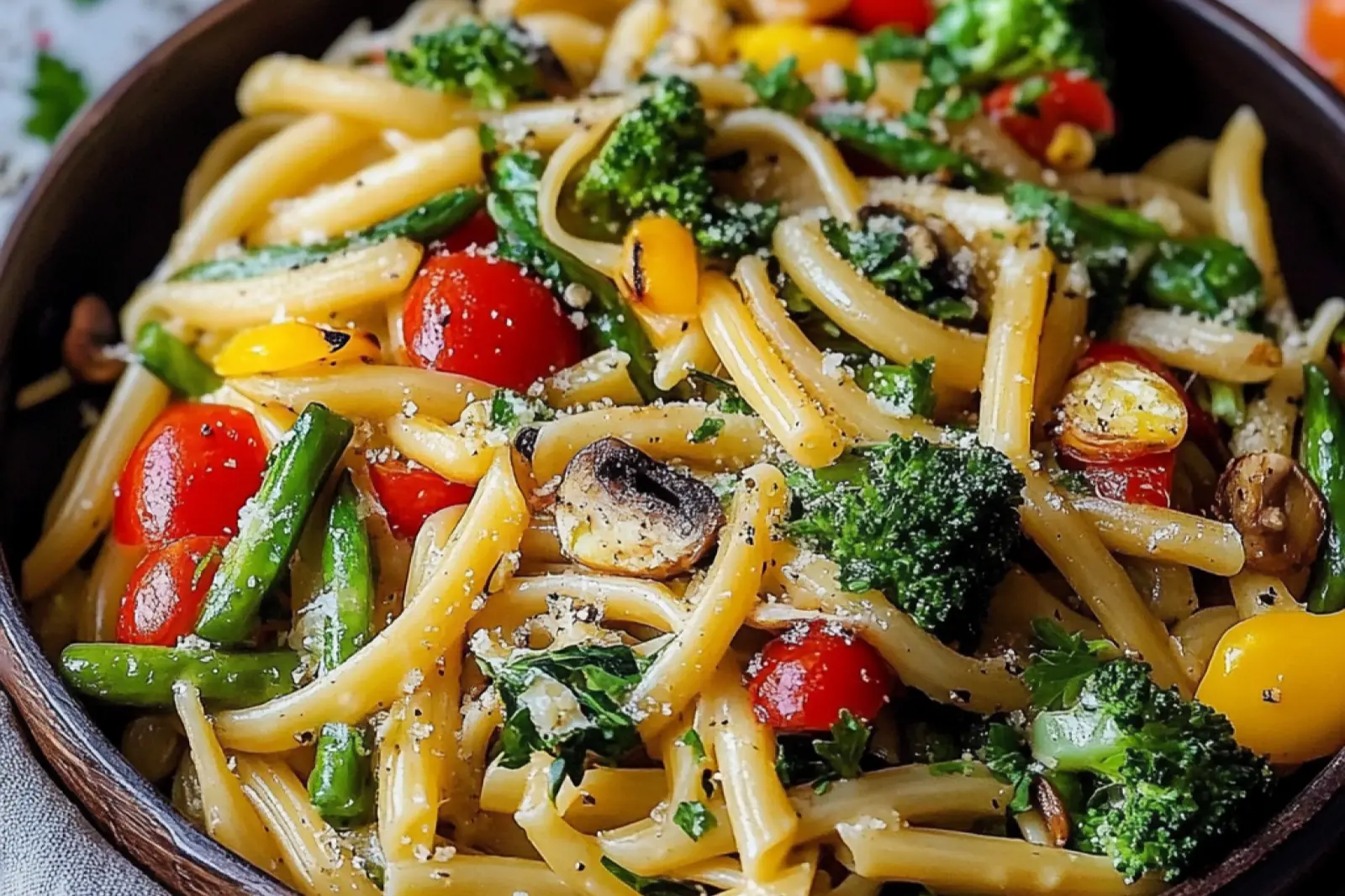
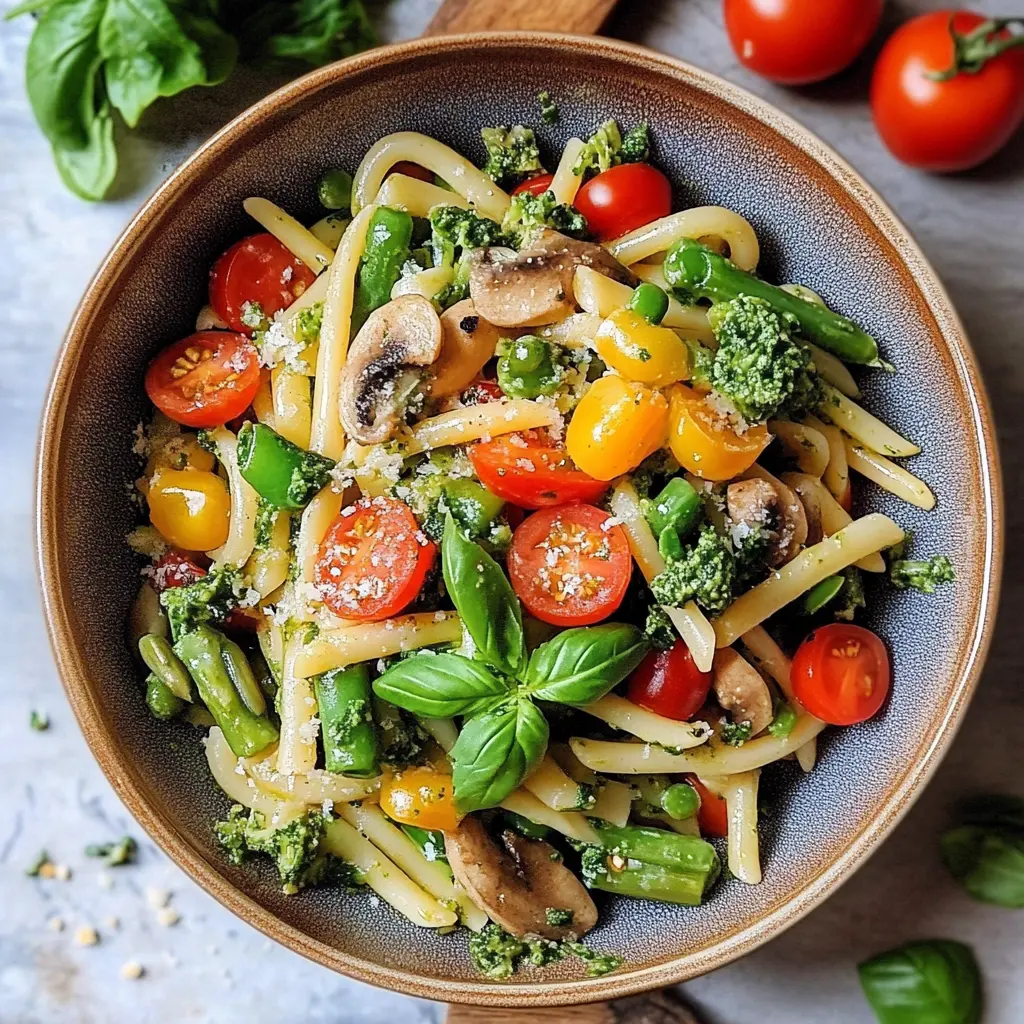
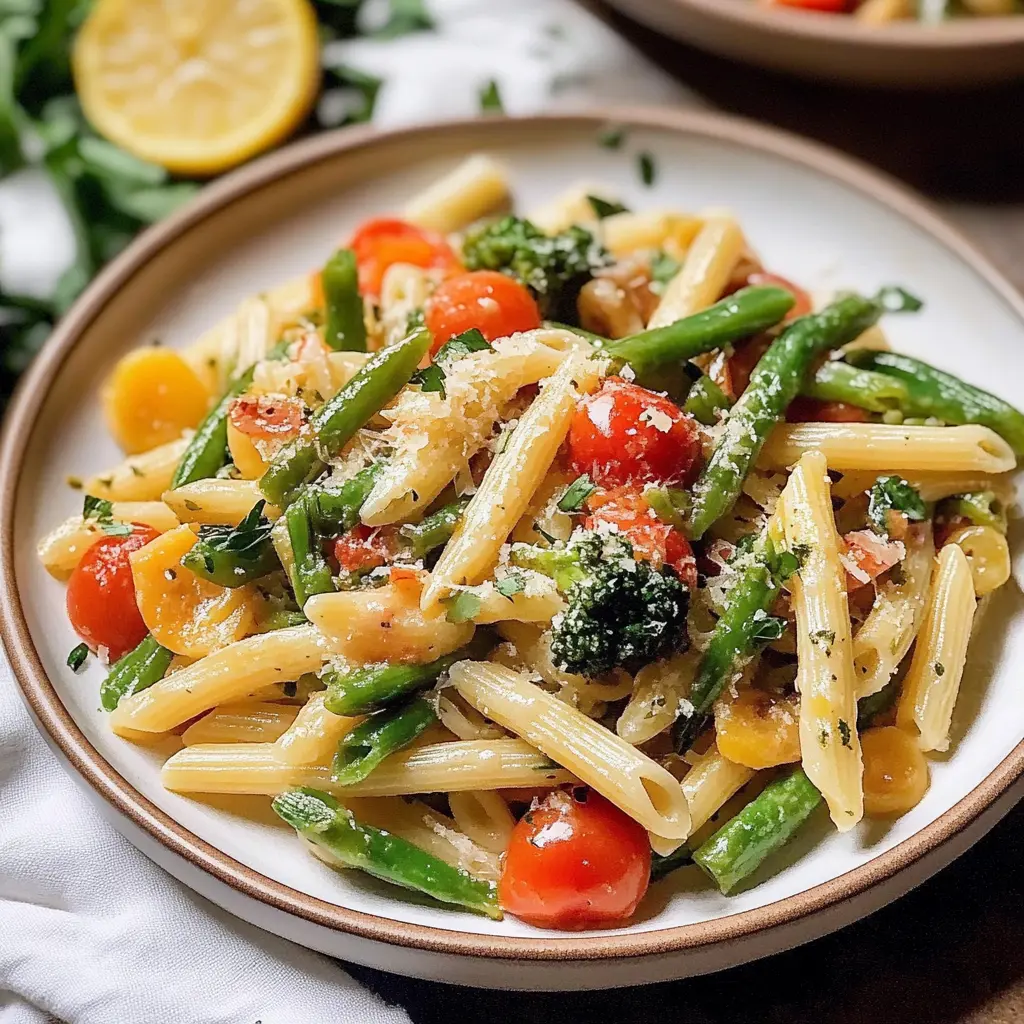
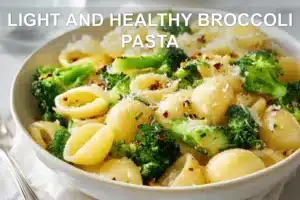
There’s something about tender pasta tossed with just-sautéed vegetables and a whisper of garlic that feels like springtime on a plate. Pasta Primavera is that dishlight, colorful, and ready in about 30 minutes when you need dinner fast but still want it to feel fresh and special.
I started making this back in 2018 when I was visiting farmers’ markets every Saturday morning in Austin, loading up on whatever looked brightest that week. One vendor handed me a bunch of asparagus still dewy from the morning and said, “Don’t overthink itjust toss it with hot pasta and good olive oil.” That advice stuck. After testing this recipe over a dozen times with different seasonal vegetables, I learned that the key isn’t a heavy sauceit’s timing the vegetables so they stay crisp-tender and vibrant, not mushy.
Yesica Andrews
Pasta Primavera Recipe: Easy Fresh and Delicious Dinner
Delight in the fresh, vibrant taste of Pasta Primavera with this simple and colorful dish. Loaded with crisp spring vegetables and dressed in a light lemon cream sauce, this Italian-inspired pasta is perfect for any time you crave a bright, wholesome meal.
Fill a large pot with water and bring it to a rolling boil. Season the water with salt, add the penne, and cook for about 11 minutes while stirring occasionally. Drain the pasta thoroughly and return it to the pot.
While the pasta cooks, warm olive oil in a large skillet over medium-high heat. Add the asparagus, yellow bell pepper, and broccoli, sautéing for 2 to 3 minutes, stirring now and then. Toss in the zucchini and continue cooking for 1 to 2 minutes until the vegetables are tender but retain some crunch. Season with salt and black pepper, then transfer the vegetables to a bowl.
Return the skillet to the stove and melt the butter over medium heat. Add the minced shallot and garlic, cooking gently for roughly 2 minutes until fragrant. Mix in the lemon zest and vegetable broth, letting the mixture simmer until it reduces by about half, which takes around 4 to 5 minutes. Stir in the heavy cream and 2 tablespoons of lemon juice.
Fold the frozen peas into the pot with the drained pasta. Add the sautéed vegetables, then pour the lemon cream sauce over everything. Stir everything together until fully coated. Mix in the Parmesan cheese and the remaining tablespoon of lemon juice. Carefully fold in the grape tomatoes and chopped basil. Adjust seasoning with salt and black pepper as preferred.
Transfer the completed pasta primavera to a large serving bowl or platter. Garnish with the chopped Italian parsley, extra Parmesan cheese, and a sprinkle of crushed red pepper flakes. Serve the dish warm and enjoy.
Notes
Feel free to switch up the vegetables with mushrooms, yellow squash, artichoke hearts, carrots, spinach, or kale. Use any pasta shape you like or gluten-free pasta if needed. For extra protein, consider adding chicken, shrimp, beans, or tofu. Store leftovers in an airtight container in the refrigerator for up to 5 days.
Why You’ll Love This Recipe
This pasta dish brings together tender vegetables and a lemon cream sauce that’s bright without being heavy. It’s the kind of meal that feels special enough for weekend guests but practical enough for a busy weeknight when everyone’s starving by 6 p.m.
Fast and flexible: Ready in about 30 minutes, and you can swap in whatever vegetables look best at your store.
Balanced and satisfying: Plenty of colorful vegetables with just enough cream to make it feel indulgent without weighing you down.
Crowd-pleaser: Even picky eaters tend to go for pasta when it’s loaded with Parmesan and fresh basil.
Great for meal prep: Leftovers hold up beautifully in the fridge for easy lunches all week.
Key Ingredients You’ll Need
The beauty of Pasta Primavera is in the vegetablesasparagus, bell pepper, broccoli, zucchini, and grape tomatoes give you color and crunch. You’ll also need penne pasta, heavy cream, vegetable broth, lemon juice, and Parmesan cheese for the sauce. Fresh basil and garlic add that final layer of flavor that makes everything taste homemade.
Pro Tip: If you can’t find shallots, a small yellow onion works just as well. And frozen peas are a lifesaverthey go straight from freezer to pot with zero prep.
Ingredient
Easy Swap
Penne pasta
Rigatoni, fusilli, or gluten-free pasta
Heavy cream
Half-and-half for lighter sauce
Asparagus
Green beans or snap peas
Yellow bell pepper
Red or orange bell pepper
Parmesan cheese
Pecorino Romano or Asiago
How to Make It (Quick Steps)
Start by boiling your pasta while you sauté the vegetables in a large skillet with olive oil. Once they’re crisp-tender, set them aside and build your lemon cream sauce in the same pan using butter, shallot, garlic, vegetable broth, and heavy cream. Everything comes together in the pot at the endpasta, vegetables, sauce, Parmesan, and fresh basil.
The trick is not to overcook the vegetables. You want them tender but still vibrant and slightly crisp, which is why you pull them out of the skillet before making the sauce.
Step
What to Do
Time
1
Boil pasta in salted water
11 minutes
2
Sauté asparagus, bell pepper, broccoli, zucchini
3-5 minutes
3
Make lemon cream sauce with shallot, garlic, broth, cream
Salt your pasta water generouslyit should taste like the sea. This is your only chance to season the pasta itself, and it makes a noticeable difference. Also, don’t skip the lemon zest in the sauce; it adds a brightness that fresh lemon juice alone can’t achieve.
Keep vegetables moving: Stir them every 30 seconds or so in the skillet to prevent burning and ensure even cooking.
Reduce the broth: Let it simmer until it’s cut by halfthis concentrates the flavor and keeps your sauce from being watery.
Add tomatoes last: Grape tomatoes are best stirred in at the very end so they stay fresh and juicy, not mushy.
How to Serve and Store
Serve this warm in a big shallow bowl with extra Parmesan, a sprinkle of Italian parsley, and crushed red pepper flakes for anyone who wants a little heat. It’s great on its own or with a side of crusty bread and a simple green salad.
Leftovers keep well in an airtight container in the fridge for up to 5 days. Reheat gently on the stovetop with a splash of vegetable broth or water to loosen the saucemicrowaving works too, but the stovetop keeps the vegetables from getting too soft.
Storage
Method
Duration
Refrigerator
Airtight container
Up to 5 days
Reheating
Stovetop with splash of broth
3-4 minutes
Freezing
Not recommended (cream sauce can separate)
Ways to Make It Your Own
One of the best things about this recipe is how adaptable it is depending on what you have on hand or what’s in season. I’ve made it with mushrooms, yellow squash, and even baby spinach stirred in at the end. If you want to add protein, grilled chicken, sautéed shrimp, or white beans all work beautifully.
Note: If you’re using gluten-free pasta, just follow the package cook timeit can vary quite a bit by brand. And if you want a dairy-free version, swap the butter for olive oil and use a cashew cream in place of heavy cream and Parmesan.
Craving delicious recipes and fresh cooking inspo? Follow me on Pinterest!
FAQs (Pasta Primavera)
What vegetables work best in Pasta Primavera?
Bell peppers, zucchini, cherry tomatoes, broccoli, and snap peas are classic choices that hold their texture well. I recommend using whatever seasonal vegetables you have on hand. Cut everything into similar-sized pieces so they cook evenly. Fresh asparagus and yellow squash also work beautifully in this dish.
Can I make this recipe ahead of time?
This dish is best served immediately for optimal texture and flavor. However, you can prep vegetables up to a day ahead and store them covered in the refrigerator. If you must make it in advance, undercook the pasta slightly and add a splash of pasta water when reheating.
What pasta shapes work best for this dish?
Penne, fettuccine, and bow ties are excellent choices because they hold the sauce and vegetables well. I personally prefer penne because the tubes catch the creamy sauce perfectly. Avoid delicate pasta like angel hair as it can break apart when tossed with the vegetables.
How do I prevent the vegetables from getting mushy?
Cook vegetables in order of their cooking times, starting with harder vegetables like broccoli first. Keep the heat at medium-high and stir frequently. The key is to cook each vegetable just until crisp-tender, which usually takes 2-4 minutes per type.
Can I substitute heavy cream with a lighter option?
Yes, you can use half-and-half or whole milk, but the sauce will be thinner. For a dairy-free version, try coconut cream or cashew cream. I recommend adding a tablespoon of flour to lighter substitutes to help thicken the sauce and prevent it from separating.
You’ll love how this Pasta Primavera turns outtender vegetables still bright and crisp, creamy lemon sauce coating every bite, ready in half an hour on a busy weeknight. It’s the kind of dinner that feels light but satisfying, especially when you’re craving something fresh and colorful. The asparagus stays snappy, the tomatoes burst with juice, and that hit of Parmesan at the end makes everything taste like springtime.
If you want to switch things up, try stirring in grilled chicken or white beans for extra protein, or toss in whatever vegetables your farmers’ market had this weekyellow squash and mushrooms both work beautifully here. A trick I learned shopping produce stands back in Texas: grab what looks freshest and don’t overthink it. Leftovers reheat gently on the stovetop with a splash of broth, and they actually taste even better the next day when all those flavors have had time to settle in together.
I’d love to hear how yours turns outtag me if you snap a photo, or tell me what vegetables you used! Did your family grow up with a springtime pasta dish like this, or is this a new tradition you’re starting? Either way, save this recipe for the next time you need dinner to feel special without spending all evening in the kitchen. It’s the kind of meal that brings everyone to the table smiling.