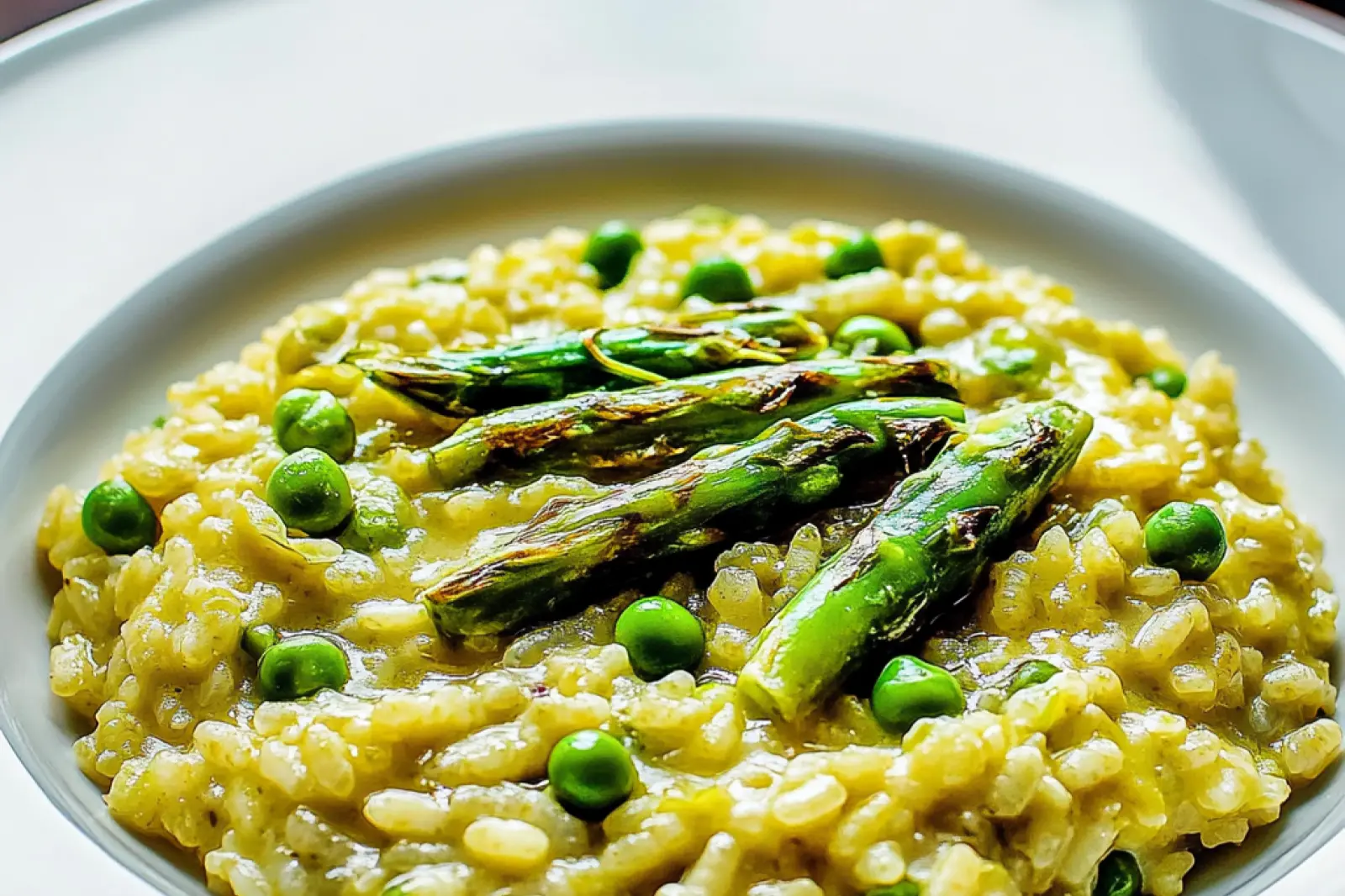
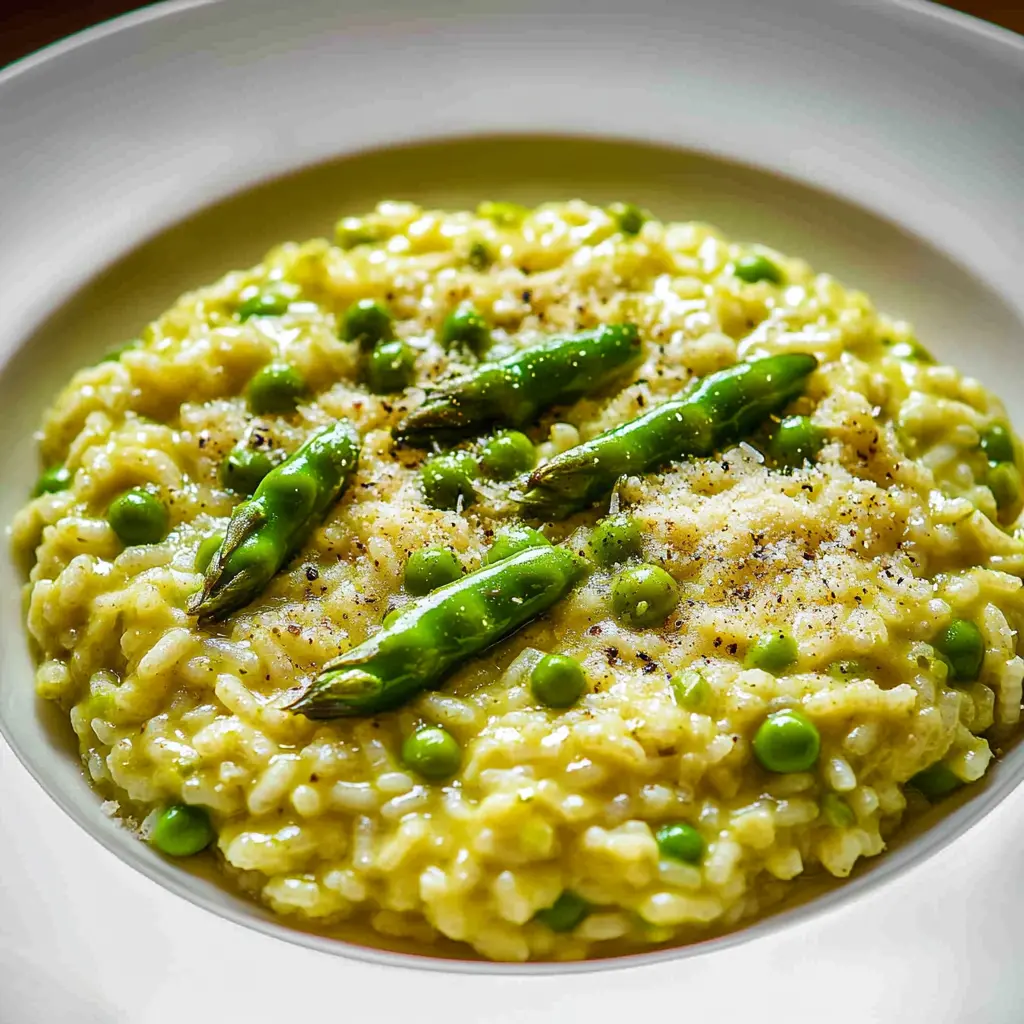
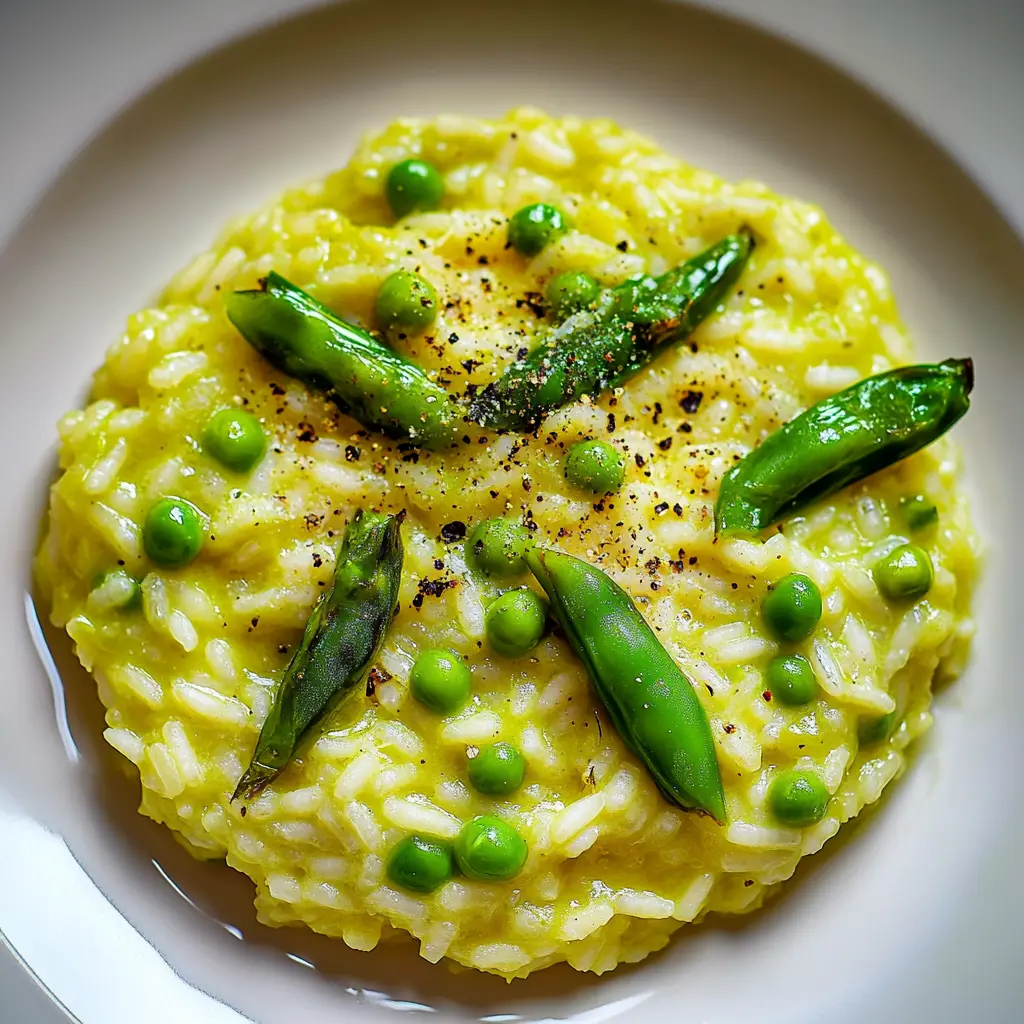
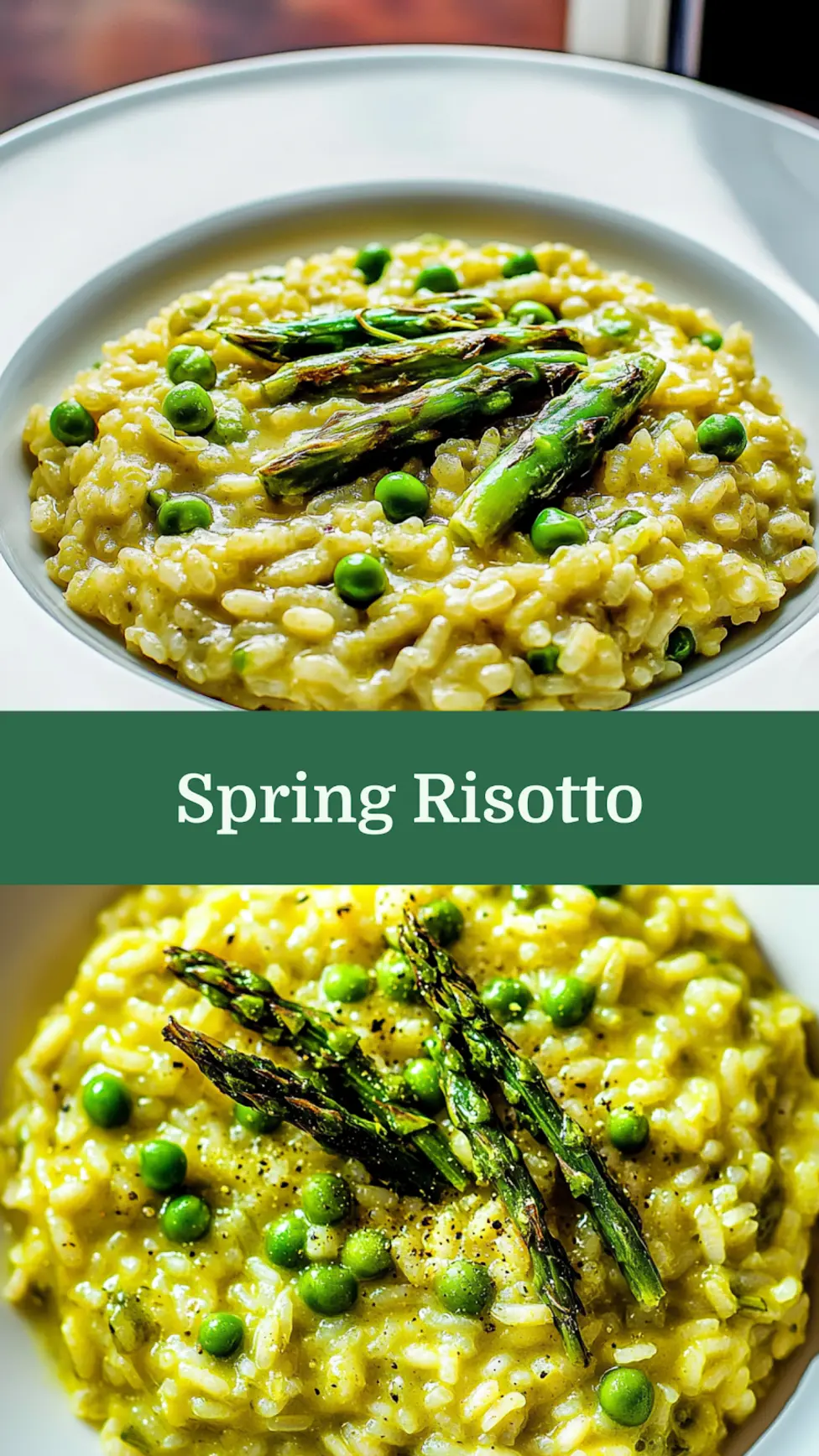
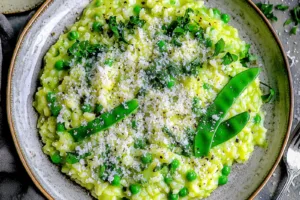
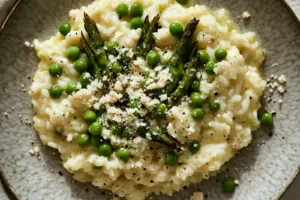
Fresh asparagus, sweet peas, and creamy Arborio rice come together in Spring Risotto with Asparagus and Peas the kind of dish that feels fancy but takes just one pot and about thirty minutes. It’s bright, comforting, and tastes like the first warm evening you can open the windows again.
I started making this back in 2019 when I was testing market-fresh ingredients for the blog, and the first bite had that buttery, al dente bite that made me close my eyes for a second. After a long day, I need dinner to be comforting but not heavy and the trick is adding the broth slowly so each grain stays tender without turning mushy. Over ten years of recipe testing taught me that patience with risotto always pays off, and this one’s become my go-to when I want something real but don’t want to overthink it.
Yesica Andrews
Spring Risotto with Asparagus and Peas Easy Weeknight Dinner
Enjoy a vibrant and creamy Spring Risotto with Asparagus and Peas that’s perfect for an easy dinner, weeknight meal, or family dinner. This simple risotto recipe combines silky pea purée, tender asparagus, fresh herbs, and a hint of lemon, making it a delightful asparagus risotto or pea risotto option for any occasion.
1 cup packed fresh herbs I used mint and Italian parsley
1 tablespoon lemon juice
1 teaspoon sea salt
⅓ cup water
1 tablespoon olive oil
1 tablespoon butter
½ onion finely diced
3 – 4 garlic cloves finely diced
300 grams arborio rice
250 ml white wine
6 cups stock use vegetable or chicken
150 grams asparagus chopped (see notes)
40 grams parmesan finely grated
Lemon zest and extra parmesan to serve
Salt and pepper to taste
Method
Bring a pot of water to a boil and cook the frozen peas for three minutes. Keep ⅓ cup of the cooking water before draining and rinse peas under cold water to halt cooking.
Blend the peas, reserved water, fresh herbs, lemon juice, and sea salt until completely smooth, then strain through a sieve for an extra silky purée if desired. Set this aside for later.
Warm the stock gently in a saucepan so it stays hot but not boiling.
Heat butter and olive oil in a large pan over medium heat, then add the diced onion and cook for about 3 minutes until softened without browning.
Add the finely chopped garlic and continue cooking for 2 more minutes to release the flavors.
Stir in the arborio rice, cooking and stirring for a couple of minutes until the grains look translucent and well coated with the fat.
Pour in the white wine and let it absorb completely, stirring gently; keep the heat low to maintain a soft simmer with no vigorous boiling.
Begin adding the warm stock one ladle at a time, stirring often and waiting until each addition is mostly absorbed before adding the next.
Start a timer at the first ladle of stock, and after 15 minutes, stir in the chopped asparagus so it cooks through but remains a bit crisp.
Keep ladling in stock and stirring for another 10 minutes or until the risotto is creamy with the rice tender but still slightly firm in the center.
Mix in the grated parmesan and then fold in the pea purée, adjusting with salt and plenty of black pepper to brighten the flavors.
Optionally, stir through a small knob of butter for extra richness.
Serve the risotto topped with fresh lemon zest, extra parmesan cheese, and a drizzle of good quality extra virgin olive oil for finishing.
Notes
For the asparagus, chopping unevenly adds a pleasing texture and appearance. If asparagus is out of season, broccoli or green beans can be substituted. Avoid pre-cooking the asparagus to keep some crunch in the final dish. For the best risotto, use arborio rice and make sure the stock is hot throughout cooking to ensure even absorption.
Why You’ll Love This Spring Risotto
This is one of those reliable weeknight wins that gets you back into a rhythm creamy, bright, and comforting without feeling heavy. The pea purée adds a gorgeous green swirl and silky texture you don’t get from plain risotto, and the asparagus keeps a little crunch that makes every bite feel fresh.
One pot, real flavor: Everything comes together in about 35 minutes with minimal cleanup.
Flexible and forgiving: Swap asparagus for broccoli or green beans depending on what’s in season or what you have on hand.
Vegetarian but hearty: Filling enough to serve as a main, elegant enough to feel special on a Tuesday.
Beginner-friendly: The steps are gentle and forgiving no fancy skills required, just a little stirring and patience.
Key Ingredients That Make It Work
Each ingredient plays a role in building that creamy, bright flavor. Here’s what you’re working with and why it matters:
Arborio rice: The short grain releases starch as you stir, creating that signature creamy texture without adding cream.
Frozen peas: Blitzed with fresh herbs and lemon juice, they become a vibrant purée that gives the dish its spring-green color and sweetness.
Asparagus: Added partway through so it stays tender-crisp not mushy. If asparagus isn’t in season near you, broccoli or green beans work beautifully.
White wine: Adds acidity and depth. It cooks off completely, leaving just a gentle brightness behind.
Fresh herbs: Mint and Italian parsley bring a fresh, almost grassy note that balances the richness of the butter and parmesan.
Parmesan and butter: Stirred in at the end for a silky, savory finish.
How the Risotto Comes Together
You’ll start by making the pea purée it only takes a few minutes and can be done ahead if that helps your evening flow. Boil the frozen peas for three minutes, blend them with herbs, lemon juice, salt, and a splash of the cooking water, then set aside. Passing it through a sieve makes it silky smooth, but it’s optional if you’re short on time.
For the risotto itself, you’ll gently cook the onion and garlic in butter and olive oil, toast the Arborio rice until it’s translucent, then add the white wine. Once that’s absorbed, start adding warm stock one ladle at a time, stirring frequently. After about 15 minutes, stir in the chopped asparagus and keep going until the rice is tender with a slight bite. Finish by stirring in the parmesan and swirling in that vibrant pea purée.
Pro Tip: Keep your stock at a gentle simmer in a separate pot adding cold stock will slow everything down and make the rice cook unevenly.
Timing and Texture Guide
Step
Time
What to Look For
Make pea purée
5 minutes
Smooth and bright green
Cook onion & garlic
5 minutes
Softened, not browned
Toast rice
2 minutes
Translucent and coated
Add wine, let absorb
2–3 minutes
Mostly absorbed, gentle simmer
Add stock gradually
15 minutes
Stir often, rice should stay creamy
Add asparagus
At 15-minute mark
Still has a slight crunch
Continue adding stock
10 more minutes
Rice is al dente, creamy throughout
Stir in parmesan & purée
1 minute
Silky, vibrant green
Easy Swaps and Tweaks
This recipe is meant to be flexible. Here’s how to make it work with what you have:
Ingredient
Swap Options
Asparagus
Broccoli florets, green beans, or sugar snap peas
Fresh herbs (mint & parsley)
Basil, chives, or all parsley
White wine
Extra stock + 1 tsp lemon juice for brightness
Parmesan
Pecorino Romano or Grana Padano
Vegetable stock
Chicken stock for deeper flavor
Note: If you can’t find Arborio rice, Carnaroli or another short-grain risotto rice works just as well. Don’t substitute long-grain rice it won’t release enough starch to get creamy.
How to Serve and Store
Serve this warm, straight from the pan, with a little extra parmesan grated over the top, a twist of lemon zest, and a drizzle of good olive oil. It’s beautiful as a main with a simple green salad, or as a side next to roasted chicken or fish.
Risotto is best enjoyed fresh, but leftovers will keep in the fridge for up to 3 days in an airtight container. To reheat, add a splash of stock or water and warm gently on the stove, stirring until creamy again. It thickens as it sits, so don’t be shy with the liquid.
Pro Tip: You can make the pea purée up to a day ahead and keep it covered in the fridge it saves a few minutes on busy evenings and the color stays vibrant.
Craving delicious recipes and fresh cooking inspo? Follow me on Pinterest!
FAQs ( Spring Risotto with Asparagus and Peas )
What type of rice works best for this recipe?
Arborio rice is the gold standard for creamy risotto, though Carnaroli or Vialone Nano also work beautifully. These short-grain varieties have high starch content that creates the signature creamy texture. Avoid long-grain rice like jasmine or basmati as they won’t achieve the proper consistency.
How do I know when the asparagus is perfectly cooked?
The asparagus should be bright green and tender-crisp when pierced with a fork. It typically takes 3-4 minutes of cooking time. Overcooking turns asparagus mushy and dull in color, so keep a close eye on it during the final stages of cooking.
Can I use frozen peas instead of fresh?
Absolutely! Frozen peas work wonderfully in this dish and are often sweeter than fresh ones. Add them directly to the risotto during the last 2 minutes of cooking without thawing first. They’ll heat through quickly and maintain their vibrant color and texture.
Why is my risotto too thick or too thin?
Risotto consistency depends on the liquid-to-rice ratio and cooking time. If it’s too thick, gradually stir in more warm broth until creamy. If too thin, cook uncovered for a few more minutes while stirring to evaporate excess liquid and concentrate flavors.
How long can I store leftover risotto?
Store leftover risotto in the refrigerator for up to 3 days in an airtight container. When reheating, add a splash of broth or water and stir gently over low heat. The texture won’t be quite as creamy as fresh, but it’s still delicious.
This Spring Risotto with Asparagus and Peas takes about thirty-five minutes from start to finish and leaves you with a creamy, bright bowl that tastes like the farmers market came to your table. You’ll love how the pea purée swirls through the rice like little ribbons of spring, and how the asparagus stays just tender enough to give every bite a pop of green. It’s comforting without weighing you down, and the kind of dinner that makes you want to linger at the table a little longer.
If you want a little more richness, stir in a knob of butter along with the parmesan at the end my grandmother always said that’s what makes it taste like Sunday. You can swap the asparagus for broccoli or sugar snap peas depending on what’s fresh at your market, and the pea purée keeps beautifully in the fridge for a day or two if you want to prep ahead. Leftovers reheat gently on the stove with a splash of stock, and honestly, they’re almost as good the next day tucked into a bowl with a fried egg on top.
I’d love to hear if you try this one tag me in your photos or leave a comment telling me what you added or changed. Did your family grow peas in the garden when you were little, or do spring vegetables bring back any kitchen memories? Save this recipe for a night when you need something real and comforting, or share it with someone who could use a little kitchen inspiration. Some nights just need an easy dinner that still feels like home.