Full nutrition details in the recipe card below ↓

Every recipe on FoodNearMe is tested to be anti-inflammatory, satisfying, and actually delicious — real food, real results, no shortcuts.
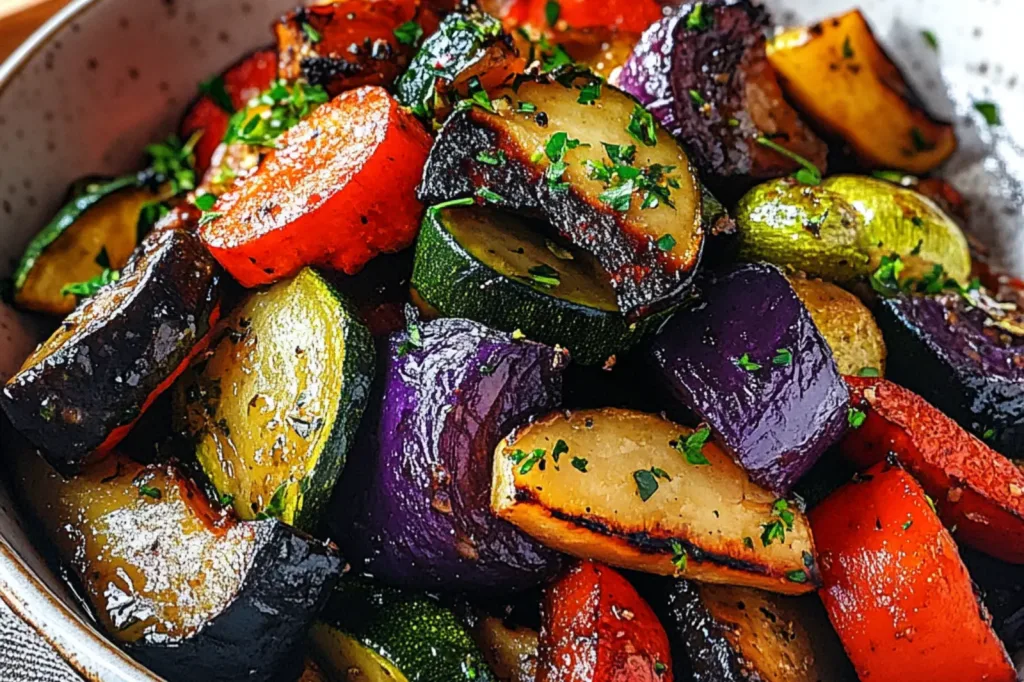
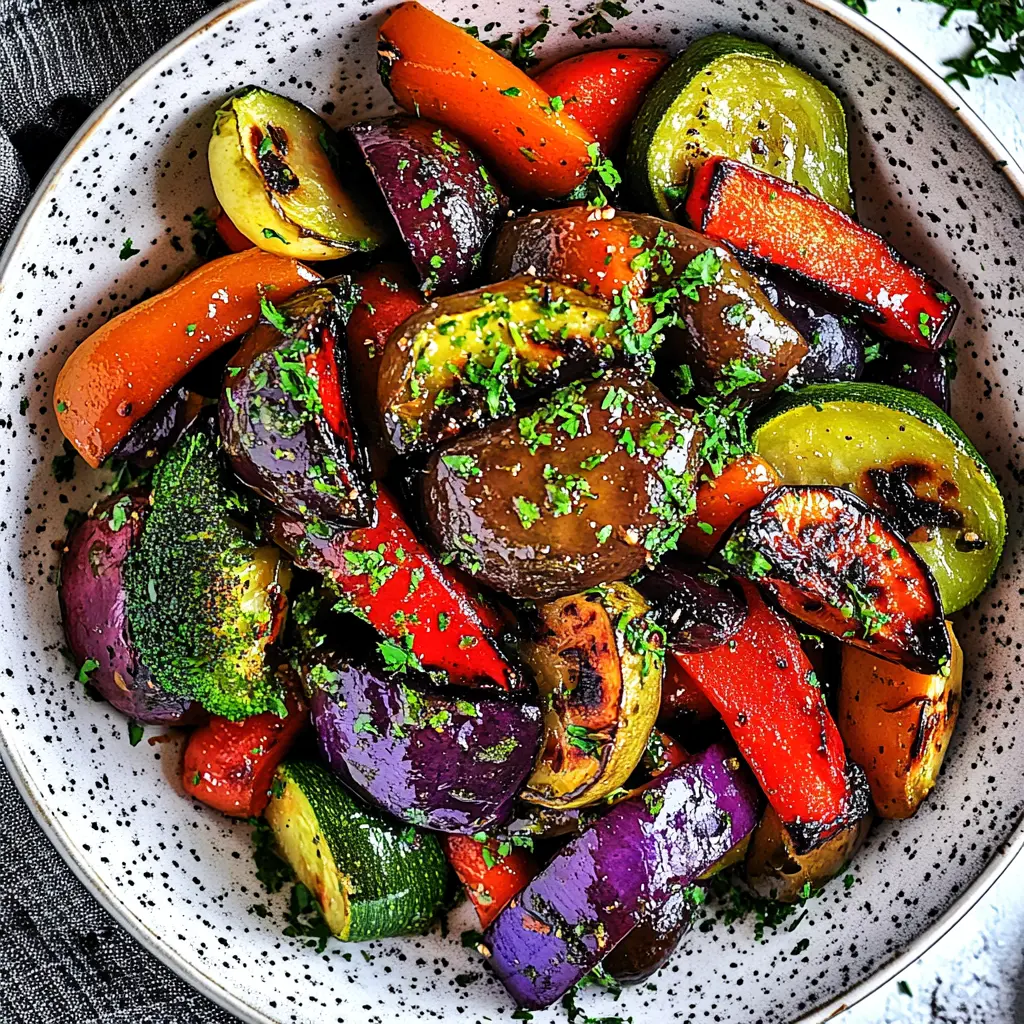
More about Joe →There’s something quietly satisfying about a pan of sauteed vegetables sizzling away on the stove colors brightening, edges crisping just enough to catch a little char. It’s one of those dishes that looks vibrant on the plate but comes together in less time than it takes to decide what to order.
I shot this recipe back in early March when spring produce was just starting to show up and I wanted something that felt light but still filling after a long day. The trick is getting your pan really hot before anything goes in that’s what gives you those caramelized bits instead of a sad, steamed pile. After testing this dozens of times for different seasonal vegetables, I’ve learned that a good sauté is all about timing and not overcrowding the pan. This is my go-to when I’m tired and still want a real dinner that feels like I put in some effort, even when I didn’t.
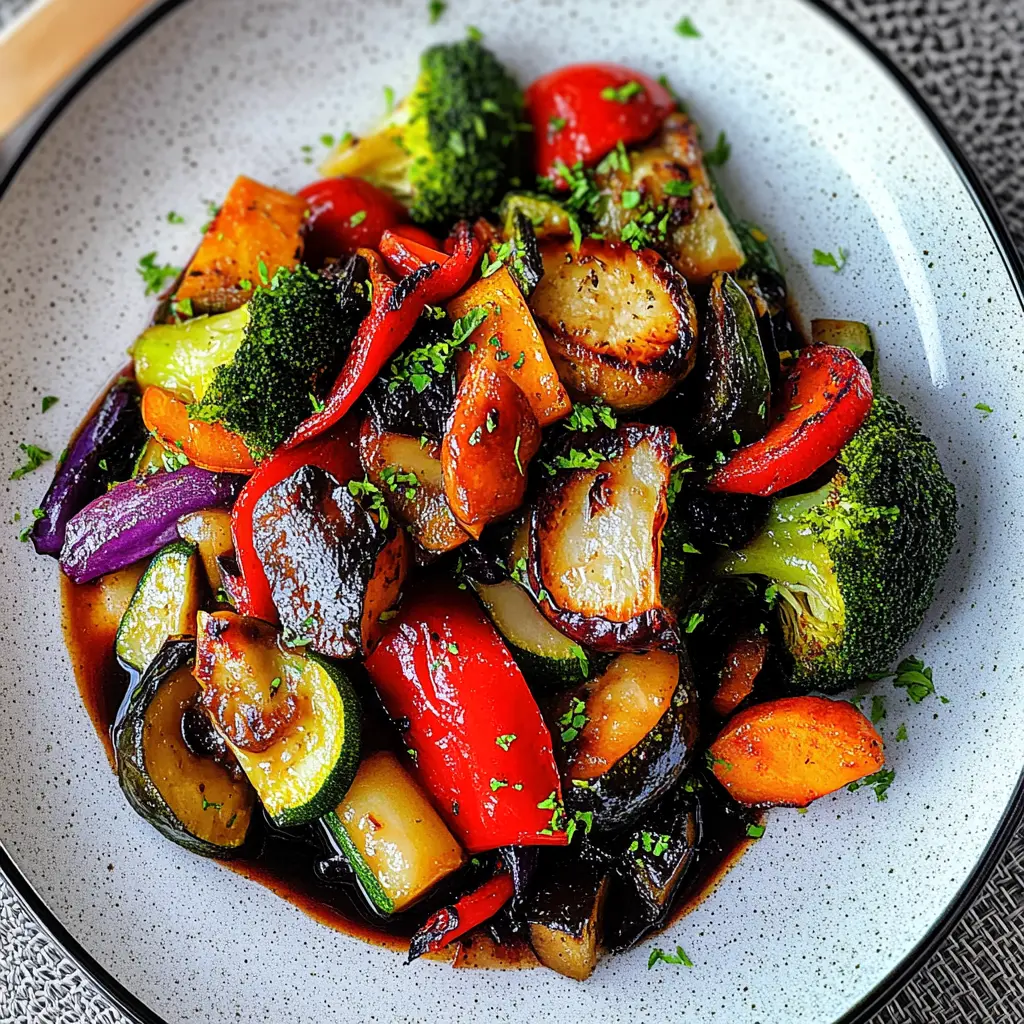
Sauteed Vegetables Easy Recipe for Busy Weeknights
Ingredients
Method
- Warm the olive oil in a large skillet over medium-high heat until it glistens.
- Add the sliced carrots and chopped onion pieces, letting them cook for about 5 to 7 minutes, stirring here and there until they soften.
- Toss in the bell pepper strips, broccoli, cauliflower, mushrooms, and zucchini. Continue cooking for an additional 6 to 8 minutes, turning occasionally to allow the veggies to brown lightly and become tender-crisp. For firmer zucchini, introduce it in the last three minutes instead.
- Lower the heat to medium-low. Move the cooked vegetables to the edges of the skillet to clear the center space. Add the butter and allow it to melt.
- Stir in the minced garlic into the melted butter and cook for roughly 1 minute until it becomes aromatic.
- Combine all the vegetables and garlic-butter mixture, remove from heat, and season with sea salt and black pepper to taste. Gently stir until the butter is fully mixed in.
- Finish by sprinkling fresh parsley on top if you like, and serve warm.
Notes
- Serving size is about 1 cup of vegetables. Prepared veggies can be refrigerated for 3–5 days after cooling. Pre-chopped vegetables stored in airtight containers keep best for meal prep. Reheat by sautéing again or using leftovers in omelettes. Freeze cooled veggies up to 3 months, flashing freeze first to avoid sticking.
Why You’ll Love These Sautéed Vegetables
This is one of those reliable weeknight wins that gets you back into a rhythm especially when you’re too tired to think but still want something colorful and warm on your plate. It’s quick, it’s flexible, and it works with whatever’s hanging out in your crisper drawer.
- Fast and forgiving: Everything cooks in one pan in under 20 minutes, and you can swap veggies based on what you’ve got.
- Real flavor: A little butter and garlic at the end turns simple vegetables into something you’ll actually crave.
- Flexible and seasonal: Use broccoli, zucchini, bell peppers, mushrooms whatever looks good at the store or needs to be used up.
- Not mushy: The trick is high heat and resisting the urge to stir constantly, so you get those crispy, caramelized edges instead of sad, steamed veggies.
What You’ll Need (and Why It Works)
You don’t need anything fancy here just a good skillet, a couple of tablespoons of olive oil to start, and whatever vegetables you’re working with. The butter and garlic go in at the end, which keeps the garlic from burning and gives everything a glossy, aromatic finish.
Pro Tip: Use a 12-inch skillet with tall sides if you have one. It gives you enough room to toss everything without sending zucchini flying across the stove.
| Ingredient | Why It Matters |
|---|---|
| Olive oil | High heat cooking base that won’t burn |
| Butter + garlic | Added at the end for rich, aromatic flavor |
| Carrots & onions | Take longer to soften, so they go in first |
| Bell peppers, broccoli, cauliflower | Medium cook time, add after the first batch |
| Zucchini & mushrooms | Cook fastest add with the rest or a few minutes later if you like them firmer |
How to Make It
Heat your olive oil in a large skillet over medium-high until it shimmers. Start with the carrots and onions they need a head start. Let them cook for 5 to 7 minutes, stirring occasionally, until they start to soften and pick up a little color.
Add the bell peppers, broccoli, cauliflower, mushrooms, and zucchini. Cook for another 6 to 8 minutes, stirring just enough to prevent sticking but not so much that nothing browns. If your zucchini tends to get soft too fast, wait and toss it in during the last 3 minutes.
Once the veggies are almost done, lower the heat and push everything to the sides of the pan. Drop the butter in the center, let it melt, then add the minced garlic. Let it sizzle for about a minute until it smells amazing and just starts to brown. Stir everything together, season with salt and pepper, and pull it off the heat. The butter will coat the vegetables and everything will taste richer than it has any right to.
Tips for Getting It Just Right
- Don’t stir too much: Let the veggies sit in the pan long enough to brown. Stirring constantly gives you steamed vegetables, not sautéed ones.
- Add veggies in stages: Harder vegetables like carrots go in first. Softer ones like zucchini can wait or go in halfway through.
- Use high heat: Medium-high is your friend here. Too low and everything just sweats instead of caramelizing.
- Taste as you go: Some vegetables are naturally sweeter or more bitter depending on the season. Adjust your salt and pepper at the end.
How to Serve and Store
These sautéed vegetables are great on their own, tucked into an omelette the next morning, or served alongside chicken, fish, or a bowl of rice. They’re also really good at room temperature if you want to pack them for lunch.
| Storage | Instructions |
|---|---|
| Refrigerate | Let cool, then store in an airtight container for 3-5 days |
| Reheat | Toss in a hot skillet for a minute or two, or fold into eggs |
| Freeze | Flash freeze on a sheet pan, then transfer to a bag. Keeps up to 3 months |
| Meal prep | Chop veggies ahead and store in the fridge. Root vegetables do best submerged in water |
Note: If you’re reheating from frozen, let them thaw in the fridge overnight first, then warm gently in a skillet. They won’t be as crisp as fresh, but they’re still really good.
Craving delicious recipes and fresh cooking inspo? Follow me on Pinterest!
FAQs ( Sauteed Vegetables )
What vegetables work best for this recipe?
Bell peppers, zucchini, broccoli, carrots, and snap peas are excellent choices. I recommend using vegetables with similar cooking times together. Harder vegetables like carrots should be added first, while tender ones like spinach go in last.
How long does it take to cook this dish?
Total cooking time is usually 8-12 minutes over medium-high heat. The key is keeping vegetables moving in the pan and cooking them until tender-crisp. Prep time for chopping takes about 10 minutes depending on your knife skills.
Can I use frozen vegetables instead of fresh?
Yes, but thaw and pat them completely dry first to avoid excess water in the pan. Frozen vegetables cook faster, so reduce the cooking time by 2-3 minutes. Fresh vegetables give better texture and flavor in my experience.
What oil should I use for cooking?
Avocado oil or vegetable oil work best due to their high smoke points. Olive oil can work but use light olive oil rather than extra virgin to prevent burning. You only need 1-2 tablespoons for most pans.
How do I prevent vegetables from getting soggy?
Keep the heat at medium-high and don’t overcrowd the pan. Cook in batches if needed and avoid covering the pan with a lid. Pat vegetables dry before cooking and keep them moving constantly in the pan for best results.
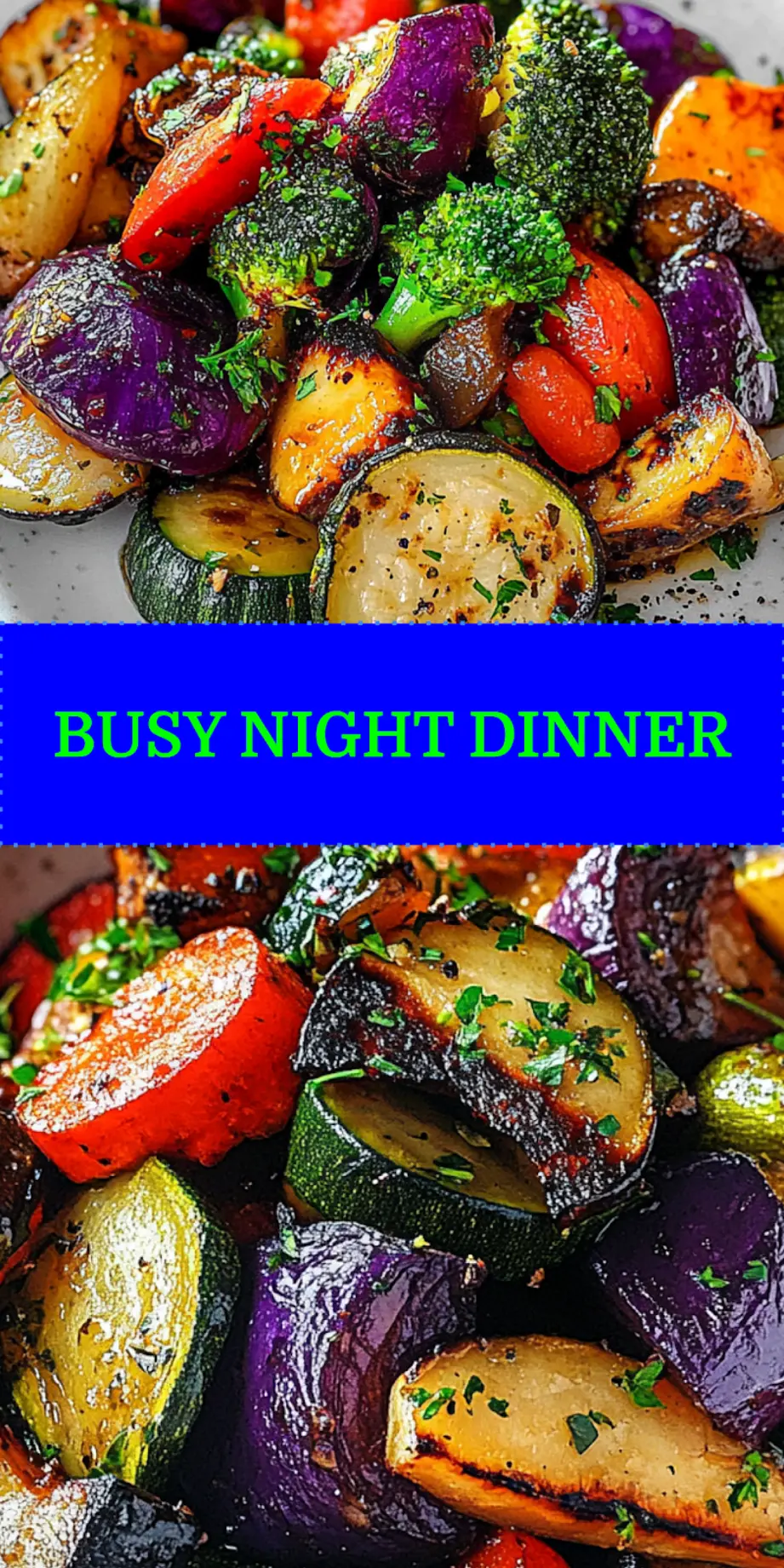
You’ll love how these sautéed vegetables turn out crisp edges, bright colors, and ready in under 20 minutes. They taste better than takeout and look beautiful on the plate. A quick reset dinner that actually feels nourishing.
Try tossing in fresh herbs like basil or thyme at the end, or add a squeeze of lemon for brightness. Leftovers are perfect folded into scrambled eggs or packed cold for lunch. One trick I picked up from years of shooting food: don’t stir constantly that’s how you get the golden, caramelized bits that make everything taste richer.
I’d love to see how yours turn out tag me if you snap a photo! Did you grow up with a version of this at your family table? Save this one for nights when you need something simple that still brings everyone together. Here’s to dinners that help you get back into a rhythm.